

 Contact us
 Visit CPRE.org
 Donate
Listening for the first songs – what birds can tell us about the seasons

There’s a moment on a walk when you realise the countryside sounds different.
It’s subtle at first – a few notes carried on the air, a familiar call cutting through the quiet.
Not the full dawn chorus yet, but something gentler. A reminder that the season is beginning to shift.
For generations, people listened for birds as much as they watched the land. Birdsong wasn’t background noise – it was a signal.
And if you’ve noticed more birds singing earlier in the year, you’re not imagining it.
Birdsong as a seasonal marker
Long before calendars and forecasts, birds helped mark the passage of time.
Certain calls were closely associated with particular points in the year – not because someone decided they should be, but because people noticed the patterns and remembered them.
The return of song signalled:
- longer days
- rising temperatures
- insects becoming active
- the start of nesting and growth
Listening was a way of understanding where you were in the year – and what might come next.

Why are we hearing birds earlier?
In recent years, many people have noticed birds singing earlier in late winter and early spring. There are a few reasons for this:
- Milder winters mean birds don’t need to conserve energy for as long
- Longer daylight hours arrive earlier as the season shifts
- Food availability changes, with insects emerging sooner
Some species now begin territorial singing weeks earlier than they once did. The patterns aren’t gone – but they’re changing.
And once again, it’s often noticed first not through data, but through experience.
Which birds are we hearing?
Across Norfolk, some of the earliest voices include:
Robins
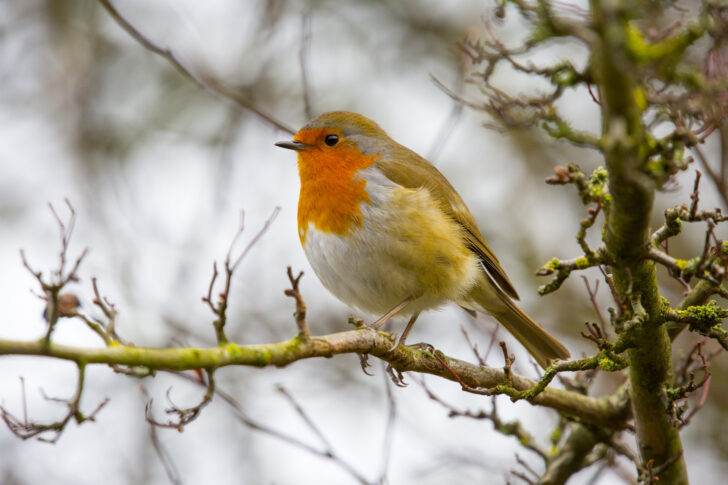
Robins sing all year-round but become more prominent as days lengthen
Great tits
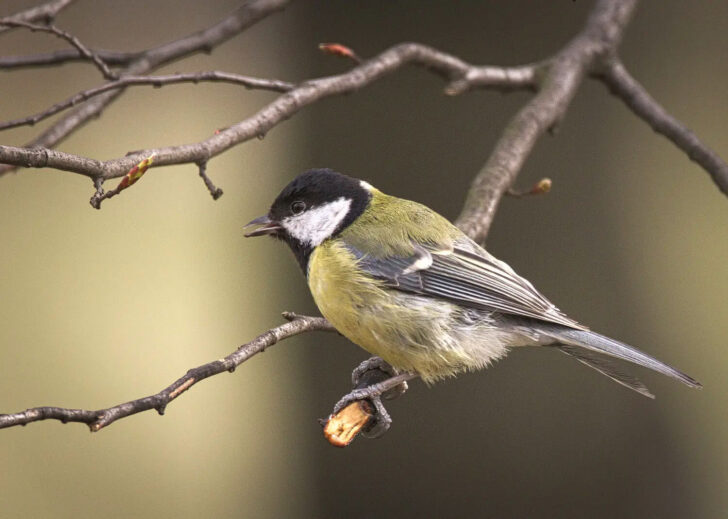
Their clear, repeated calls mark early spring
Blackbirds
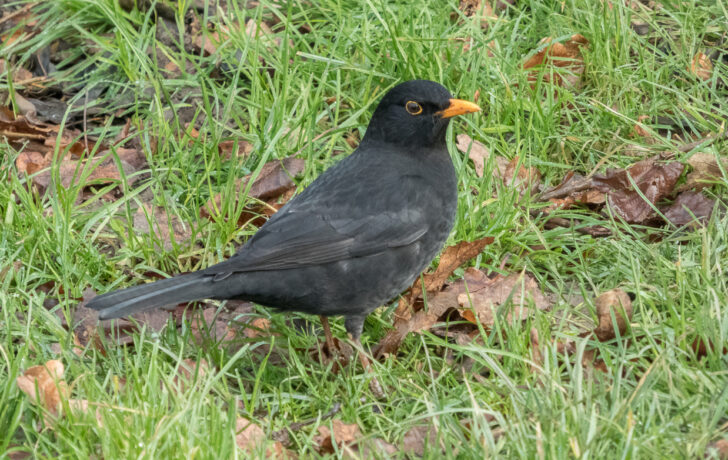
Blackbirds are often among the first to start dawn singing
Song thrushes
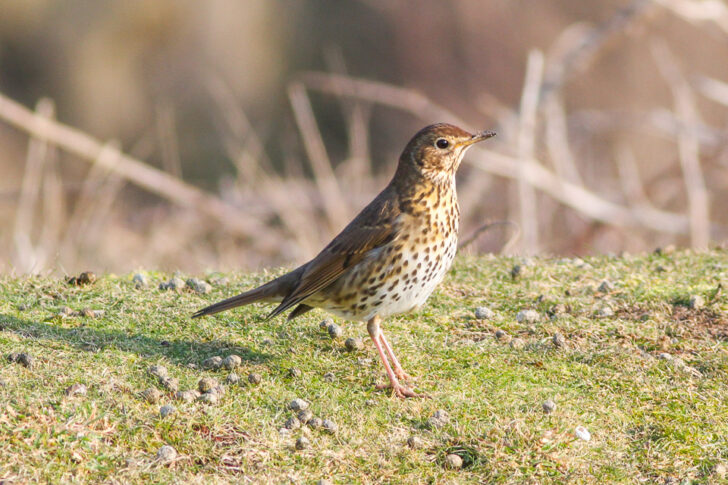
The thrush’s varied phrases feel like a true turning point in the year
These sounds are woven into the landscape – hedgerows, gardens, wood edges, and quiet lanes.
Listening as a way of knowing a place
Birdsong asks us to slow down.
Unlike visual signs, it can’t be rushed or scanned. You have to stop. To stand still. To listen.
That act – paying attention – creates connection. And connection is at the heart of caring for the countryside.
When we notice when birds sing, where they sing, and how those patterns change, we build an understanding of place that goes deeper than any map or forecast.
The countryside is speaking
Next time you’re out walking, pause for a moment.
Close your eyes. Listen.
Not just for what you hear – but for when you hear it.
The countryside is still speaking – sometimes in colour, sometimes in movement, and sometimes in song.
All it asks is that we listen.

This is part of our ongoing Discover Our Countryside series, exploring the small signs that connect us to Norfolk’s landscape.