

 Contact us
 Visit CPRE.org
 Donate
Five signs that autumn has arrived in Norfolk’s countryside

The rustle underfoot, the sharp scent of wood smoke, a mist rising over the fields – autumn in Norfolk doesn’t arrive all at once.
It creeps in gently, with a golden whisper rather than a shout. But if you’re paying attention, the signs are unmistakable.
This is a season of retreat and richness, of subtle transformation and quiet moments. Here are five signs that autumn is arriving in Norfolk, and a few ideas to help you savour it, wherever you are in the county.
1. Hedgerows ripen and blaze with colour
One of the first places you’ll see autumn arrive is in the hedgerows. Brambles are heavy with the last blackberries. Rosehips glow red like lanterns. Sloes, hawthorn berries, and spindle begin to ripen. Even the leaves begin their transformation – field maple, dogwood, and hazel flicker from green to gold to russet.
These living boundaries are beautiful, yes, but they’re also ecological powerhouses, offering shelter and food for wildlife. To walk beside a hedgerow in autumn is to witness a whole food web in motion.
Where to walk
Try the green lanes near Southrepps, Castle Acre, or along stretches of the Nar Valley Way.

2. Flocks gather, arrive, and depart
The skies begin to shift. Swallows and house martins line up on wires, preparing for their journey south. Fieldfares and redwings arrive from Scandinavia. Pink-footed geese begin their return to The Wash and North Norfolk coast, filling the air with wild calls that carry for miles.
Migration is one of the countryside’s most breath-taking, ancient rhythms, and autumn is the moment the skies become a map in motion.
Best spots to see it
Cley Marshes, Holkham, or RSPB Snettisham at first light.

3. Fields stir with activity
Harvest doesn’t just belong to summer. Autumn brings the final wave of agricultural energy – ploughing, sowing winter crops, and lifting root vegetables. Tractors work from first light to dusk, and their passing draws in seagulls in great swirling flocks.
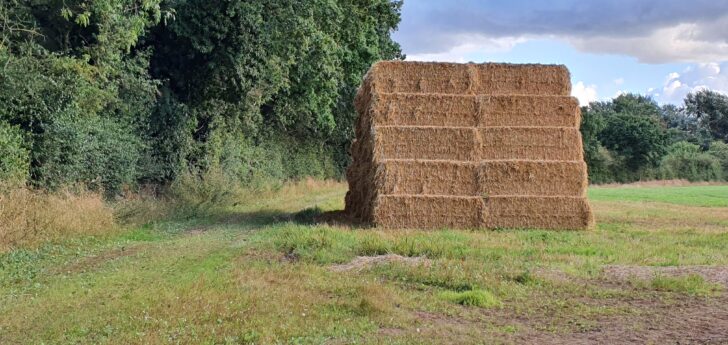
There’s a kind of choreography to it all: ploughed soil, straw bales stacked like pyramids, and a deep, earthy smell that signals the land is turning inwards.
Where to notice it
Almost anywhere rural, but especially visible from long-distance paths like the Bure Valley Path or Weavers’ Way.
4. Mushrooms emerge like magic
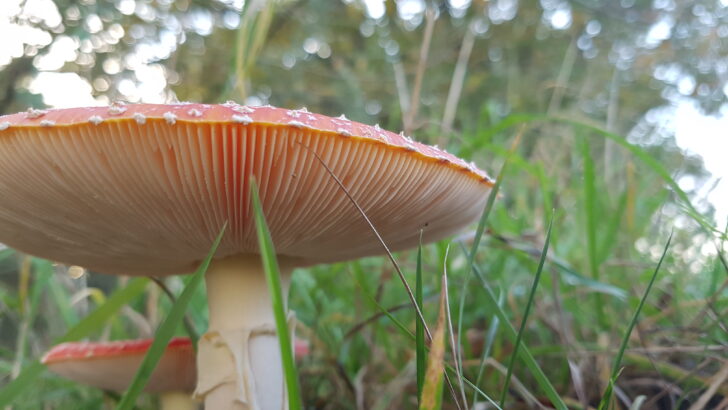
If you walk early, especially after rain, you might spot fly agaric (the iconic red toadstool), or more subtle beauties like shaggy ink caps, parasols, or puffballs. They rise silently overnight in woodlands, meadows, and even roadside verges, a quiet reminder of how alive the soil beneath our feet really is.
Fungi help recycle nutrients, feed trees, and support biodiversity, and autumn is their moment.
Where to look
Foxley Wood, Thetford Forest, and Wayland Wood are all fungi-rich this time of year.
5. The light softens, the air deepens
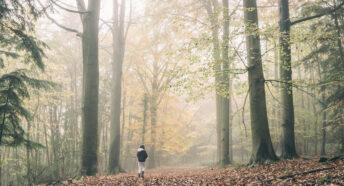
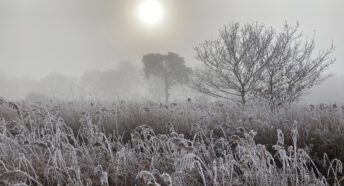
There’s a shift in how the land feels. The sun no longer blazes overhead but casts long shadows. The air smells of damp leaves, earth, and distant bonfires. Spider webs shimmer in the morning dew.
It’s quieter, too. More introspective. You might find yourself walking more slowly, noticing more, breathing more deeply.
This is the countryside exhaling. And it’s beautiful.

A season worth sinking into
Autumn in Norfolk is never showy. It’s subtle, honest, and deeply grounding. A walk beside a hedgerow, the sound of geese overhead, the first frost underfoot, these are not just seasonal moments. They are part of a deeper connection to place, one that CPRE Norfolk works to protect every day.
So, lace up your boots, tuck a flask in your bag, and take the long way round. Norfolk’s countryside is telling a quieter story this season, and you’re invited to listen.