

 Contact us
 Visit CPRE.org
 Donate
How we used to read the countryside – using Norfolk’s landscape as a guide

Before weather apps, forecasts and alerts, people learned to read the land itself.
The countryside spoke in signs – subtle, familiar cues that marked the passing of seasons and hinted at what might come next.
You didn’t need a screen to tell you the weather was turning. You watched the sky. You listened for birds. You noticed insects appearing – or not.
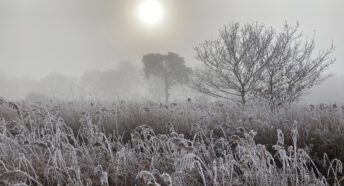
Many of us still do this, even if we don’t always realise it.
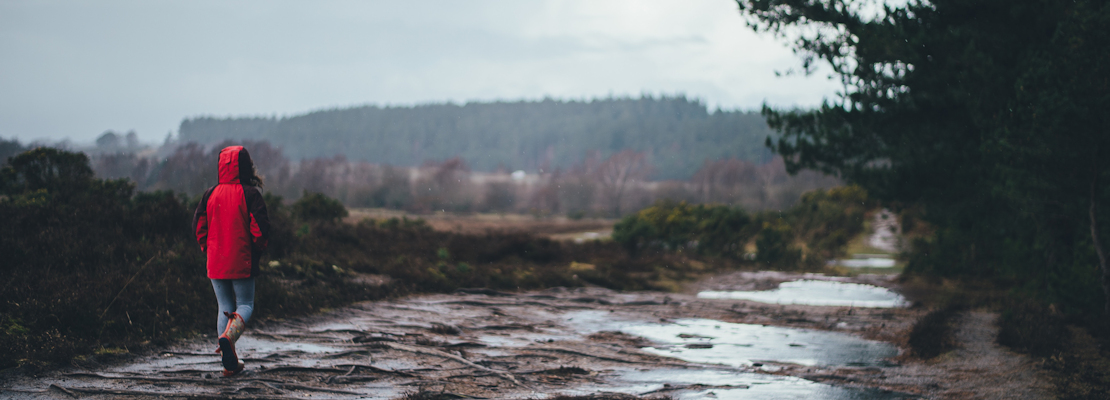
On a quiet walk along a Norfolk lane, or across open fields beneath a wide sky, those signs are still there. You just have to pause long enough to notice them.
The landscape as a guide
For generations, people understood the countryside through observation and repetition. Patterns mattered. Timing mattered.
The return of certain birds, the sudden appearance of insects, the way mist clung to low ground or how light broke through after rain – these weren’t curiosities. They were information.
You knew when to plant, when to expect rain, when warmer days were on the way – not because you were told, but because the land showed you.
Signs people once watched for
Some of these old countryside cues are still familiar today:
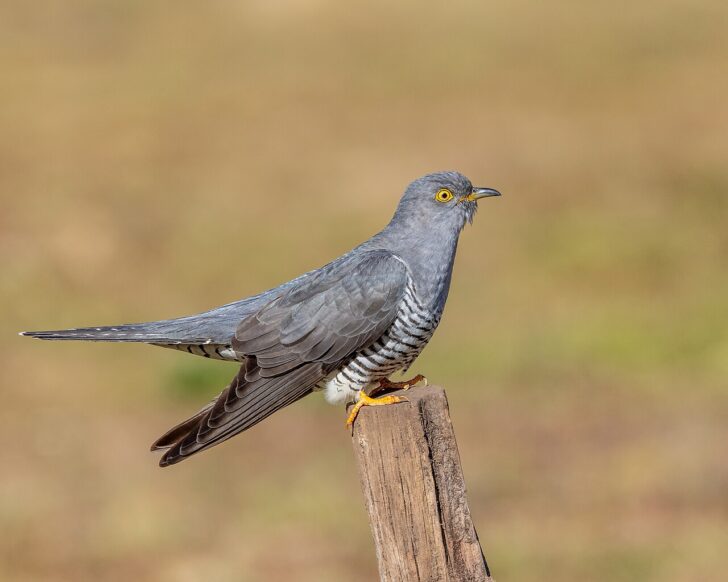
- The call of the cuckoo, often heard in late spring, marking a shift in the season
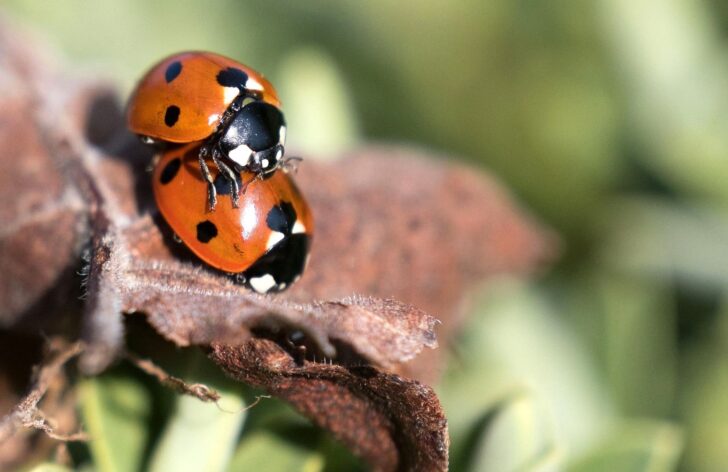
- Ladybirds – or bishy barnabees, as they’re known in Norfolk – appearing in gardens, hedgerows and fields
- Cuckoo spit foaming on plant stems as insect life surged into activity
- Rainbows breaking through showery skies, especially when the sun sat low
- Frost, dew and mist, lingering or lifting to signal changes in temperature and weather
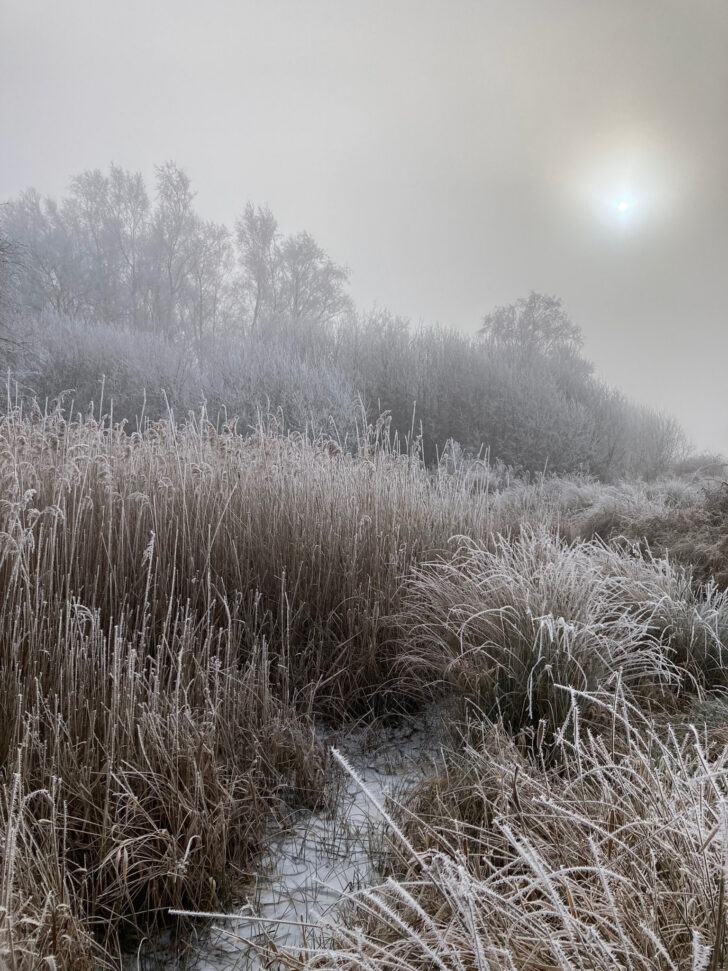
These weren’t grand events – they were small, everyday moments. But together, they formed a kind of countryside literacy.
What’s changed?
Many of those signs still appear – but not always when we expect them to.
Winters can be wetter and milder. Insects may arrive earlier. Birds alter their timing. The old patterns aren’t gone, but they’re less predictable.
You don’t need data to sense this. Often, it’s felt first – a quiet recognition that something is slightly different from how it used to be.
That’s one of the strengths of noticing the countryside closely. It allows us to understand change not just in statistics, but in lived experience.
Why noticing still matters
At CPRE Norfolk, we believe that knowing a place leads to caring for it.
When you notice the small things – a beetle on a leaf, a sudden arc of colour in the sky, a sound that marks the season – you form a relationship with the landscape. And relationships are what underpin long-term stewardship.
The countryside isn’t something separate from us. It’s something we move through, learn from, and pass on – not just in words, but in attention.

An invitation to look again
The next time you’re out walking, pause for a moment. Look up. Look down. Listen.
The countryside is still speaking – quietly, patiently – just as it always has.
All it asks is that we notice.
This is part of our ongoing Discover Our Countryside series, exploring the small signs that connect us to Norfolk’s landscape.