

 Contact us
 Visit CPRE.org
 Donate
Moles – friends or foes of the riverbanks?

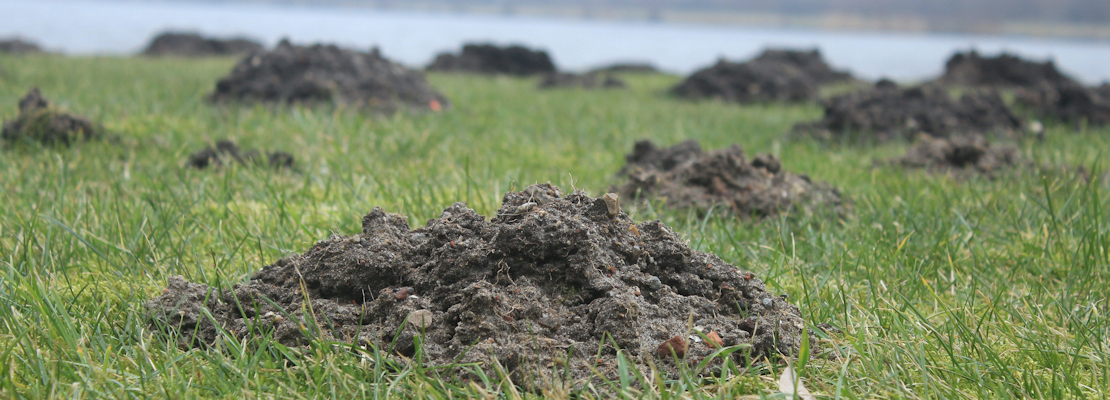
If you’ve taken a recent stroll along the banks of the River Ouse, you may have noticed fresh mounds of earth breaking through the grass.
These molehills are clear signs of underground activity, evidence of the secretive lives of moles just beneath our feet.
But should we be concerned about their presence along the riverbanks? Or do these industrious creatures play a vital role in the countryside?
The hidden life of moles
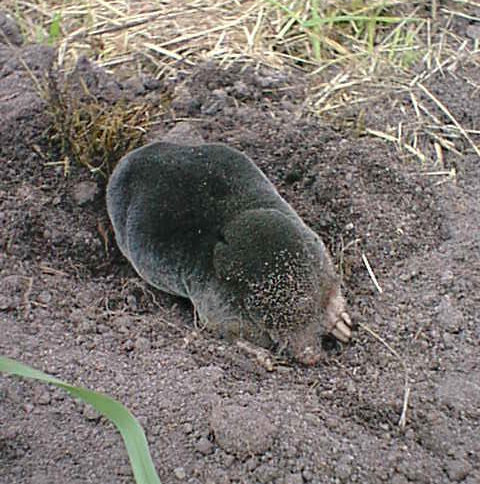
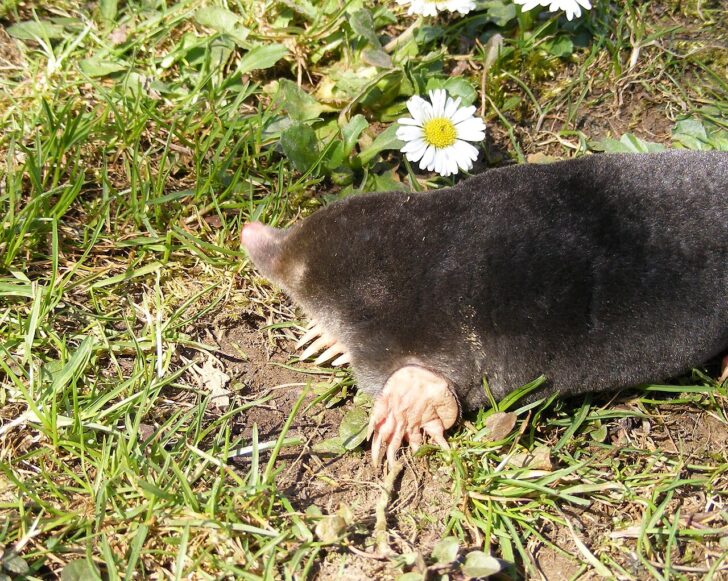
Moles (Talpa europaea) are small, solitary mammals that spend almost their entire lives underground. With powerful forelimbs and specialised hands designed for digging, they create an extensive network of tunnels in search of their primary food source, earthworms.
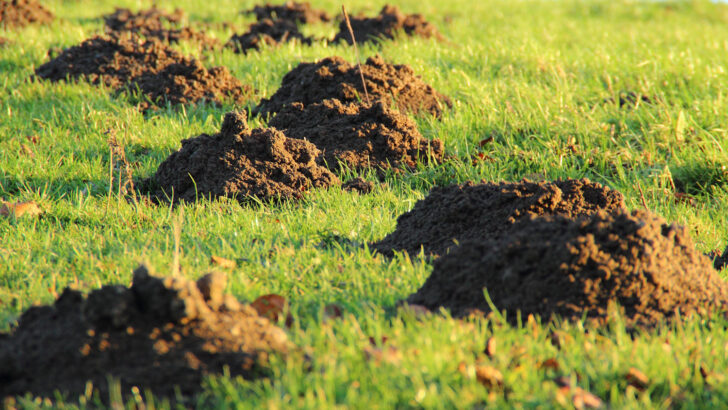
Their presence is often betrayed by the tell-tale mounds of excavated soil known as molehills, which can appear almost overnight.
Moles are territorial and tend to stay within a defined area. They are most active in early spring and autumn when soil conditions are ideal for digging, but their activity continues year-round. Although rarely seen above ground, moles may occasionally venture out, particularly young moles dispersing to find new territories.
Are moles a threat to riverbanks?
While mole activity can sometimes cause concern, especially for farmers and land managers, their impact on riverbanks is a complex issue. In most cases, mole tunnels are shallow and do not significantly compromise bank stability. However, in areas where erosion is already an issue, their burrowing can contribute to soil loosening, making the banks more susceptible to collapse.
That said, healthy, well-vegetated riverbanks with strong root systems can generally withstand mole activity without adverse effects.
Problems tend to arise in areas where human intervention, such as dredging, deforestation, or excessive foot traffic, has already weakened the landscape. In such cases, monitoring mole activity and maintaining robust vegetation can help prevent further erosion.

The benefits moles bring to the countryside
Moles are often misunderstood, but they provide several ecological benefits:
Soil Aeration
Their tunnelling helps aerate the soil, improving drainage and nutrient distribution.
Pest Control
Moles consume many insects and larvae, including those that can damage plant roots.
Biodiversity Boost
Their abandoned tunnels create shelter for other small animals, such as voles and amphibians.
Indicators of Healthy Soil
The presence of moles often signals a thriving ecosystem with plenty of earthworms and rich, well-balanced soil.
When is mole activity acceptable?
In most rural and natural settings, mole activity is part of the landscape’s natural cycle and poses no real harm. In gardens, parks, and sports fields, their molehills may be seen as a nuisance, but in wild spaces, they are an essential part of the ecosystem.
Managing mole populations should focus on coexistence rather than eradication. Where intervention is necessary, such as in flood-prone riverbanks, non-lethal deterrents like soil compaction or natural predators (such as owls and foxes) can help keep numbers in check.
Will you ever see a mole?
Moles are notoriously elusive. Their eyes are small, and their vision is poor, adapted to a life in darkness. You’re far more likely to see evidence of their presence than to catch a glimpse of one. However, during the breeding season in early spring, young moles disperse in search of new territories, and this is when they may occasionally be spotted above ground.
Final thoughts
Moles are an integral part of our countryside, contributing to soil health and biodiversity. While their presence on riverbanks should be monitored in erosion-prone areas, they are not the destructive pests they are sometimes perceived to be. Instead, they serve as indicators of a thriving ecosystem.
So next time you spot a line of molehills on your walk, take a moment to appreciate the hidden world beneath your feet.