

 Contact us
 Visit CPRE.org
 Donate
Norfolk at a crossroads: time to stop the march of mega solar

Norfolk is facing a wall of solar farms – and CPRE Norfolk is calling for a better way.
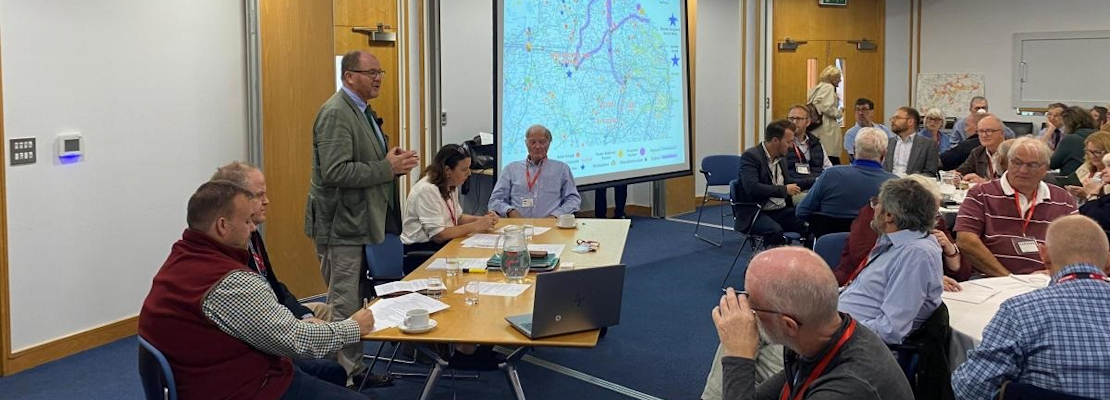
That was the stark message from CPRE Norfolk Vice President Professor Tim O’Riordan at a Norfolk Solar Summit last week, where he joined four MPs, councillors, planning officers and community representatives to discuss the growing threat posed by industrial-scale solar development across the county.
The event, hosted by George Freeman MP, brought together around 100 people, many representing district, town and parish councils. It provided a rare opportunity for those on the frontline of the growing battle over mega solar to share information, compare experiences and consider what can be done to ensure Norfolk’s countryside and communities have a meaningful voice.
And the message was clear: the scale and speed of the solar land grab is accelerating.
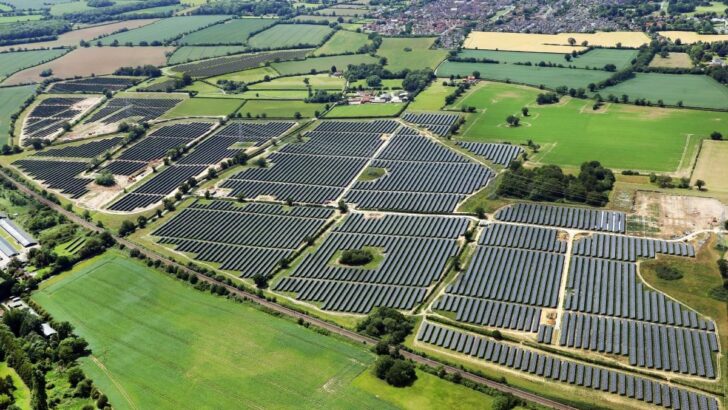
As new proposals continue to emerge across mid and south Norfolk, communities are increasingly facing the prospect of multiple huge developments surrounding their villages and stretching across the landscape.
Prof O’Riordan told the summit that even maps tracking proposed developments are rapidly becoming out of date as the number of applications continues to grow.
“The growth in size and proximity of mega solar is alarming and escalating.”
A national fast track – with local communities left behind
CPRE Norfolk supports the transition to renewable energy. But we do not believe that tackling climate change means sacrificing Norfolk’s countryside.
The charity is particularly concerned about the growing number of mega solar schemes being considered as Nationally Significant Infrastructure Projects (NSIPs).
These projects are dealt with through a national planning process, rather than the local planning system. The result is that parish and district councils, and the communities they represent, can have far less influence over developments which could permanently transform their surroundings.
The summit heard that local planning officers themselves feel effectively unable to participate in the NSIP process in the same way they can with conventional planning applications.
That leaves the enormous burden of responding to major proposals falling on individual parishes and community groups, many of which simply do not have the resources, expertise or time required to take on multi-million-pound developers.
This is not just a battle over solar panels. It is a battle over who gets a say in the future of Norfolk.
Prof O’Riordan described mega solar as a metaphor for the loss of collective identity, local autonomy and community wellbeing.
“Fighting mega solar is more than a landscape issue, much as this is vitally important. It is a battle for the soul of the countryside and for the restrengthening of rural democracy.”
There is a better way
CPRE Norfolk believes we can tackle climate change without carpeting productive farmland in solar panels.
The government needs to take a much more strategic approach to renewable energy, one which makes the most of the enormous potential offered by rooftops, commercial buildings, car parks, brownfield land and appropriately scaled community energy schemes before turning to our finest agricultural landscapes.
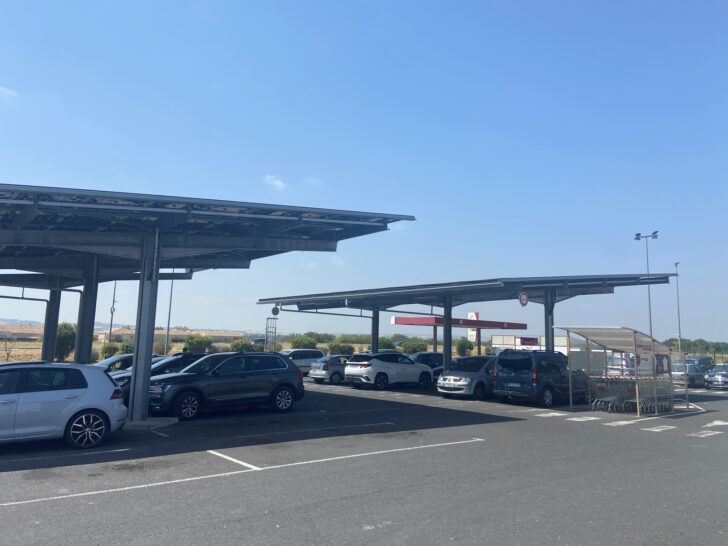
Prof O’Riordan called for the National Planning Policy Framework to go further by requiring suitable new buildings to incorporate solar generation and battery storage.
New technology brings new solutions
Solar technology is changing rapidly, while battery storage is becoming increasingly viable. Harnessing this potential through a more distributed energy system could significantly reduce the pressure for vast new solar installations in the countryside.
And where solar farms are appropriate, CPRE Norfolk believes they should be well designed, properly sited, biodiversity-enhancing and genuinely responsive to local communities.
As Prof O’Riordan told the summit:
“By the time many of the solar farms become live, the current technology will probably have moved on. The government needs to consider this and perhaps look at smaller community-based projects.”
Protecting more than a view
For CPRE Norfolk, this is about much more than whether people like the appearance of solar panels.
The industrialisation of huge areas of countryside can mean the loss of productive agricultural land and the introduction of extensive infrastructure: fencing, access tracks, substations, battery storage and security equipment into landscapes that have evolved over generations.
The prospect of horizon-to-horizon fields of grey panels is fundamentally at odds with the diverse, living and much-loved landscapes that make Norfolk special.
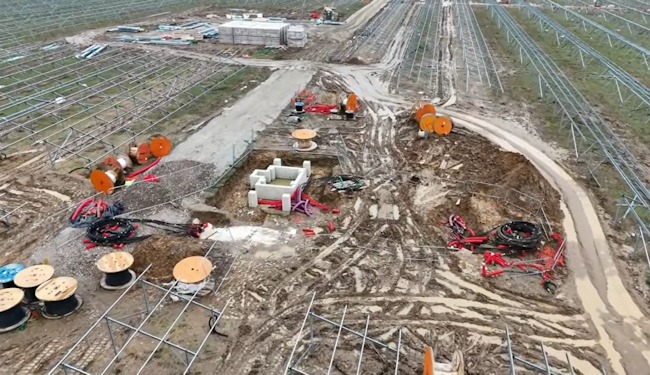
But the consequences go deeper still.
Our countryside is where people live, work, farm, walk, volunteer and build communities. It provides food, supports wildlife and holds the history and identity of our villages and towns.
That is why CPRE Norfolk believes that the rush towards mega solar risks damaging something far more valuable than a view.
It risks damaging our sense of place and our ability to shape the future of our own communities.
Stand with Norfolk

The scale of what is being proposed can feel overwhelming. But communities are not powerless and we are determined to ensure they are not left to fight alone.
We have established an Alliance against Norfolk’s solar mega farms, bringing together parish councils, campaign groups, organisations and individuals who want to see a fairer and more sustainable approach to renewable energy.
But we need more people to stand with us.
If you care about Norfolk’s countryside, now is the time to act.
- Join the Alliance against Norfolk’s solar mega farms.
- Contact your own Parish or Town Council and urge them to join our Alliance..
- Support your local campaign group.
- Sign the 38Degrees petition calling for compulsory solar panels on all new developments
- Become a CPRE Norfolk member.
- Volunteer your time
- Make a donation to help us continue challenging inappropriate developments and giving communities the information and support they need.
We are not saying no to renewable energy.
We are saying yes to a better way of delivering it.
A way that puts rooftops before farmland. Brownfield before countryside. Community involvement before top-down decisions. And thoughtful, strategic planning before an irreversible rush to cover Norfolk in industrial-scale solar.
Norfolk’s countryside cannot speak for itself. We can. And we need you to stand with us.
Watch the ITV News report into the Solar Summit.