

 Contact us
 Visit CPRE.org
 Donate
Winter sounds – when the woods start laughing

There’s a sound that can stop you, mid-step on a winter walk.
It’s unexpected. Loud. Almost joyful.
A burst of laughter echoing across fields or woodland edges.
If you’ve heard it recently – especially in late January – you’re not imagining things. The woods really are starting to laugh.
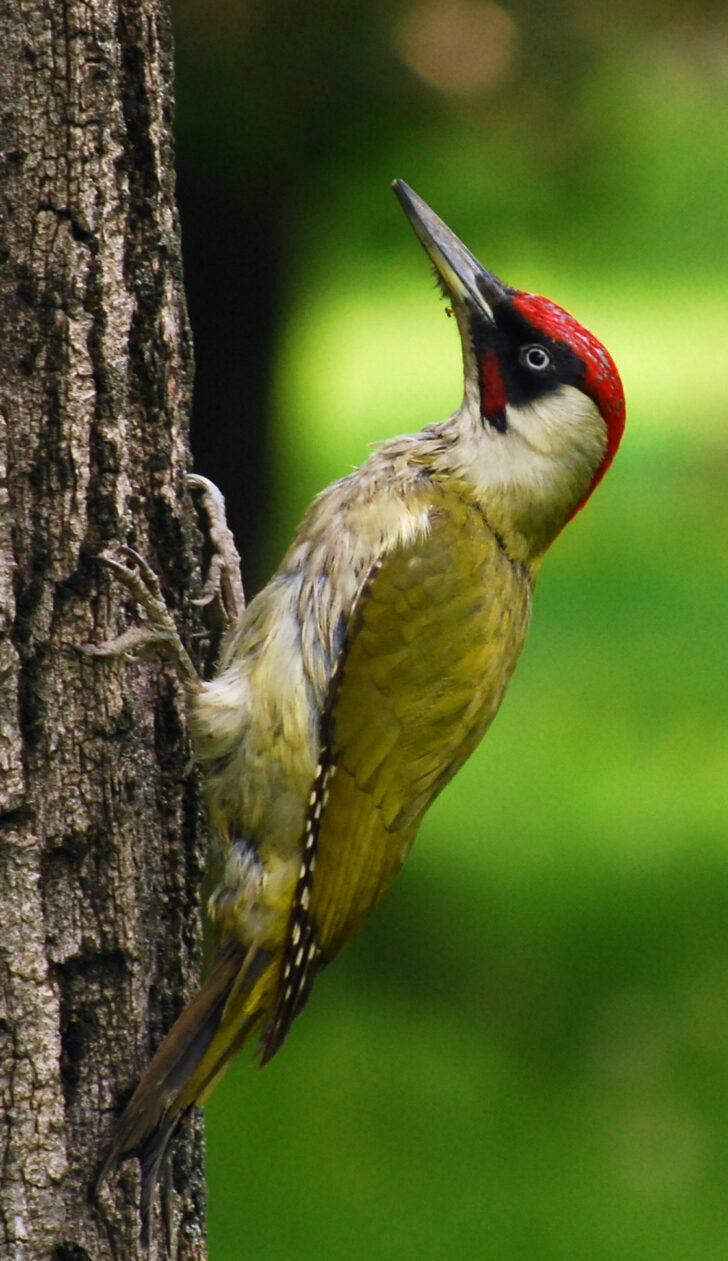
That unmistakable call belongs to the green woodpecker, and hearing it this early in the year is one of the countryside’s quiet signals that something is beginning to shift.
A different kind of woodpecker
Unlike other woodpeckers, green woodpeckers don’t rely on drumming to make themselves known. Instead, they use their voice – a rolling, laughing call often described as a “yaffle”.
It carries a long way, especially in winter, when:
- trees are bare
- the air is still
- the countryside feels quieter
The sound can feel startling against a backdrop of muted January days. But once you recognise it, it becomes one of the most distinctive voices of the landscape.
Is January too early?
Traditionally, green woodpeckers were most often heard from March onwards, as spring gathered pace.
But in recent years, many people have begun hearing them earlier – sometimes in late January or February, particularly after mild, wet spells.
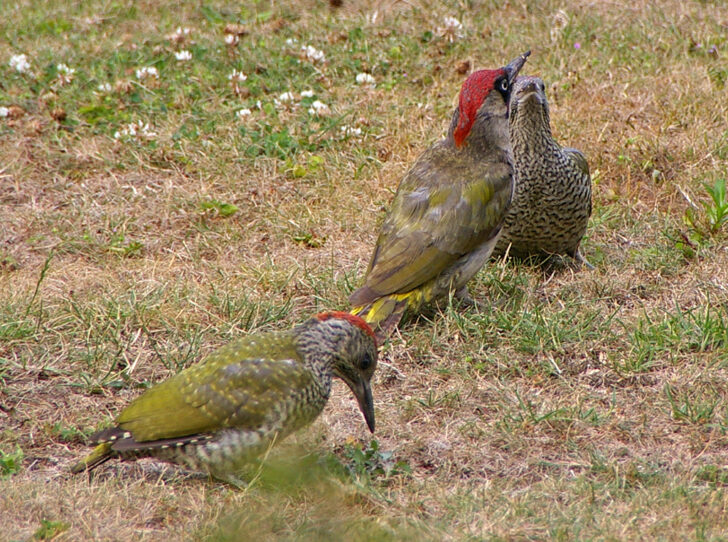
Green woodpeckers are closely tied to the ground. They feed mainly on ants, and when the soil isn’t frozen and moisture levels are right, their food remains accessible – even in winter.
Add slightly longer daylight and calmer conditions, and the woods begin to stir.
What that laughter is telling us
That laughing call isn’t random. It’s a way of:
- marking territory
- keeping contact with a mate
- signalling readiness for the season ahead
It’s not a declaration that spring has arrived – but it is a sign that the countryside is preparing.
This is how the land has always spoken: not in neat dates, but in cues and patterns. Sounds that arrive when conditions allow, not when the calendar says they should.
Listening as a way of knowing
Green woodpeckers are often easier to hear than to see. You might never catch a glimpse of that flash of green across the grass – but the laughter stays with you.
It invites you to slow down. To stand still. To listen.
And in doing so, you become part of a long tradition of people who learned the seasons not by instruction, but by attention.

A quiet invitation
If you’re out walking this week, pause for a moment. Listen for laughter in the trees or across open ground.
Not everyone will hear it – but those who do rarely forget it.
The countryside is beginning to speak again.
All it asks is that we listen.
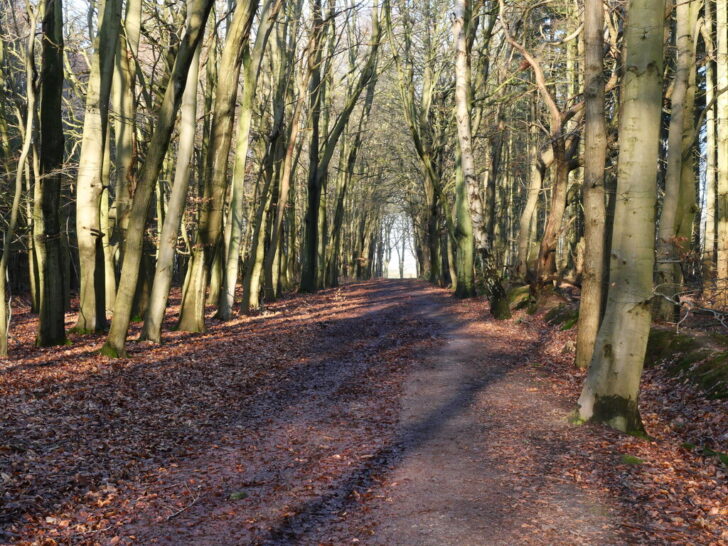
This is part of our ongoing Discover Our Countryside series, exploring the small signs that connect us to Norfolk’s landscape.