

 Contact us
 Visit CPRE.org
 Donate
Samphire season on the Norfolk coast


There is a certain kind of Norfolk summer moment that is hard to mistake.
A warm breeze across the marshes. The call of birds somewhere beyond the creek. A handwritten sign outside a village shop or roadside stall offering fresh samphire.
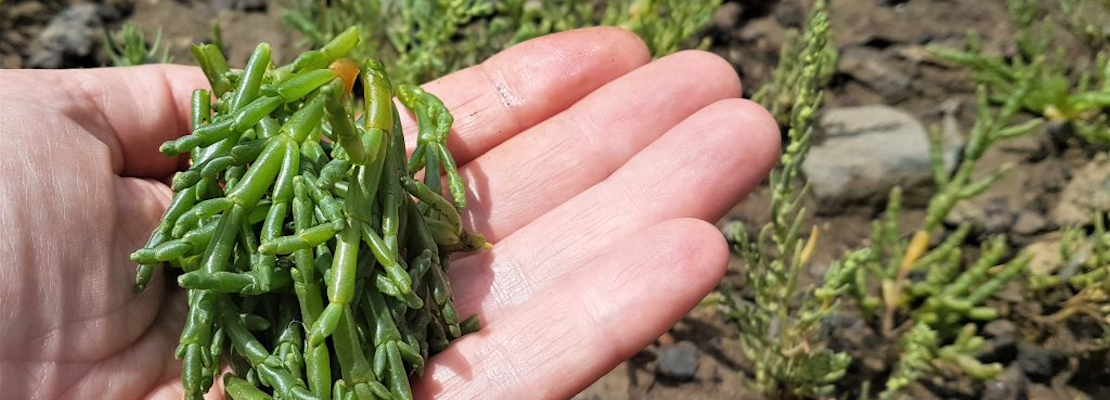
For many people along the Norfolk coast, samphire is more than a seasonal ingredient. It is one of those small, salty pleasures that seems to belong completely to this place. Bright green, crisp and full of the flavour of the sea, it appears for just a few short weeks each summer – usually from June into early August – and then, almost as quickly, it is gone again.
Often described as “sea asparagus”, samphire has become popular far beyond Norfolk. You might now find it served in restaurants with fish, crab or summer salads. But here, close to the saltmarshes where it grows, it still feels wonderfully simple: a traditional coastal food, shaped by tide, mud, weather and generations of local knowledge.
A taste of the marshes
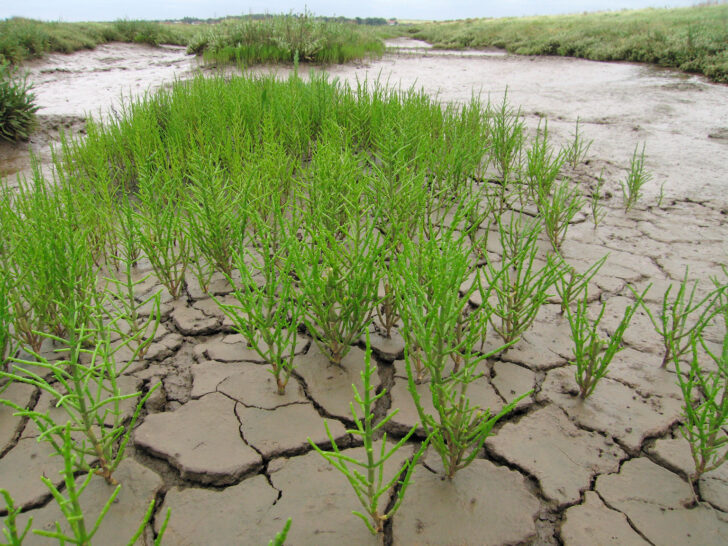
Part of samphire’s appeal is that it tastes so strongly of its landscape.
Norfolk’s north coast is one of the most distinctive coastal environments in the country. Its saltmarshes, tidal creeks, mudflats, sand dunes, wide beaches and open skies create a living landscape that is constantly changing. The tide comes in; the tide goes out. Channels shift. Mud builds. Birds gather. Plants adapt.
Samphire thrives in this salty, waterlogged world where many other plants would struggle. Around places such as Thornham, Brancaster, Stiffkey and Blakeney, saltmarsh plants help form a rich and resilient habitat – one that is important not only for wildlife, but for the character and identity of the Norfolk coast itself.
These marshes are beautiful, but they are also working hard. Saltmarsh can help absorb wave energy, reduce coastal erosion and provide vital feeding and nesting grounds for birds and other wildlife. They are places of movement and life, shaped by natural forces but increasingly affected by human pressures too.
That is why samphire tells a bigger story than you might expect from a small green stem on a plate.
A seasonal tradition
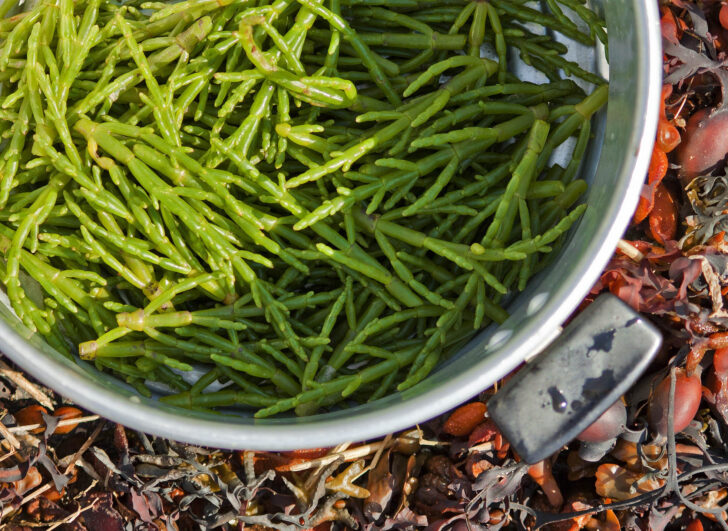
For generations, samphire has been gathered and eaten along the Norfolk coast. Its naturally salty flavour pairs beautifully with local seafood, especially Cromer crab, grilled fish or simple new potatoes with butter.
Many people will tell you that the best way to cook it is barely to cook it at all. Rinse it well, steam or briefly boil it for a few minutes, then serve it with melted butter, black pepper and perhaps a squeeze of lemon. No extra salt needed – the sea has already taken care of that.
But as with so many wild foods, enjoying samphire comes with responsibility.
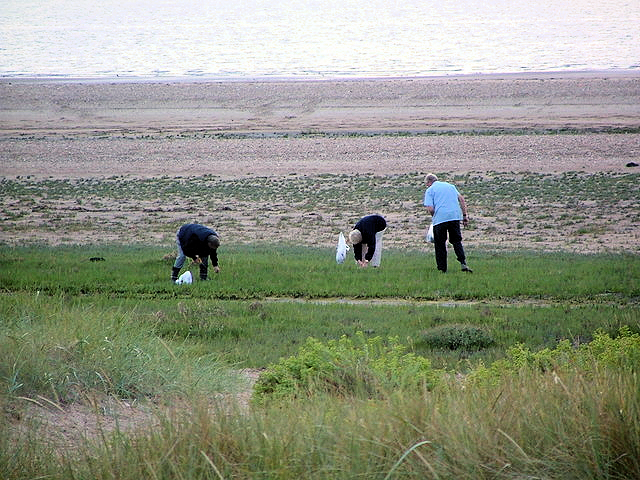
Saltmarshes are precious and sometimes fragile habitats. They can also be dangerous places, with fast-moving tides, soft mud and protected wildlife areas. Anyone thinking about gathering samphire should do so only where it is permitted, take very small amounts, cut rather than pull, avoid disturbing wildlife, and never damage the roots or surrounding plants.
Better still, buying from a local shop, fishmonger or responsible supplier is often the easiest way to enjoy the season while supporting local livelihoods.
More than a delicacy
What makes samphire special is not just its taste. It is the connection it gives us to the landscape.
A handful of samphire on a plate can remind us of summer walks by the marsh, fishing boats, village stalls, family meals, muddy boots, big skies and the quiet richness of the Norfolk coast. It is part of the relationship between people and place – the everyday culture that grows from living alongside a landscape and valuing what it gives us.
That relationship matters.
Norfolk’s coast is under pressure from climate change, erosion, rising sea levels, inappropriate development and the gradual loss of wild spaces. These pressures do not only affect scenery. They affect habitats, wildlife, local food traditions, rural businesses, communities and the sense of place that makes Norfolk feel like Norfolk.
Protecting the coast means protecting far more than a view.
It means caring for the saltmarshes, creeks, dunes and open horizons that support nature and people. It means recognising that landscapes are not just backdrops to our lives – they are part of our health, heritage, economy and future.
Standing up for Norfolk’s countryside and coast
At CPRE Norfolk, we believe places like the north Norfolk marshes deserve to be valued, understood and protected.
Our work is rooted in a love of Norfolk’s countryside: its coast, villages, farmland, wildlife, dark skies and open spaces. We speak up for the landscapes that make this county special, and we work to ensure they can be enjoyed by future generations as well as our own.
Samphire season is a small but wonderful reminder of what is at stake. When we protect Norfolk’s coast, we protect the wildlife that depends on it, the communities shaped by it, and the simple seasonal traditions that help connect people to place.
So, this summer, whether you enjoy samphire with Cromer crab, spot it from a coast path, or simply admire the saltmarshes from a safe distance, take a moment to notice the landscape behind it.
Because Norfolk’s countryside is not just beautiful.
It is generous. It is living. It is ours to cherish – and ours to protect.
Join us
If you care about Norfolk’s countryside and coast, please consider supporting CPRE Norfolk by becoming a member, volunteering, or finding out more about becoming a trustee. Together, we can help protect the places that make Norfolk so special.