

 Contact us
 Visit CPRE.org
 Donate
Cromer crab season: a taste of Norfolk’s coast at its best

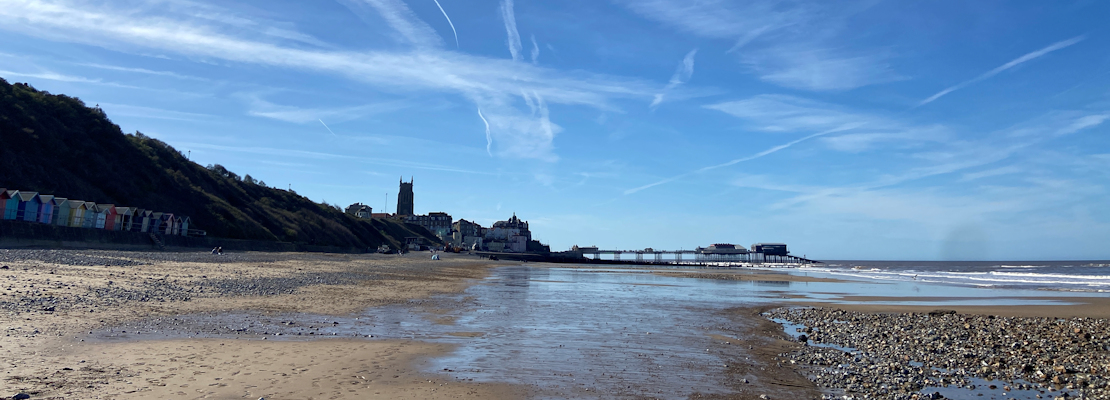
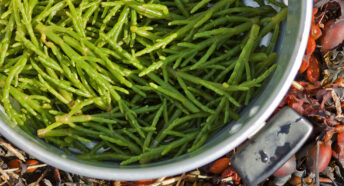
Norfolk has always been shaped by the sea. Along the north coast, where cliffs rise above wide sandy beaches and the wind carries the scent of salt and samphire, Cromer remains one of the county’s most distinctive coastal towns.
For generations, people have travelled here for the simple pleasures of the seaside – fresh crab sandwiches, walks along the pier, and long afternoons spent watching the tide roll in beneath enormous East Anglian skies.
But Cromer is more than a traditional holiday destination. It is a place where landscape, wildlife, heritage and community are deeply connected. In many ways, the story of the famous Cromer crab tells the wider story of Norfolk’s coastline itself.
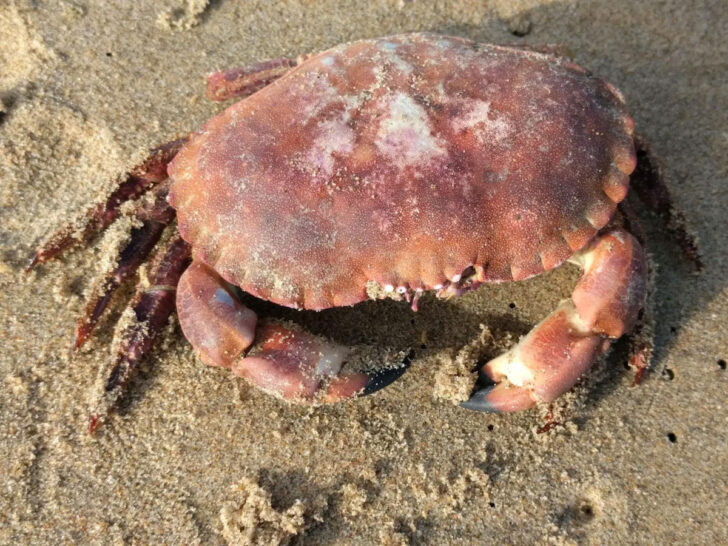
The famous Cromer crab
The brown crab found off Cromer has earned a reputation as the finest in Britain, prized for its sweet flavour and delicate texture. Local fishermen have worked these waters for centuries, hauling pots from the North Sea in conditions that are often challenging and unpredictable.
Unlike large-scale commercial fisheries elsewhere, Cromer’s crab fishing industry remains relatively small and closely tied to the rhythms of the coast and seasons.
Part of what makes Cromer crabs so special is the coastline itself. The chalk reef that lies beneath the sea off the north Norfolk coast creates an ideal habitat rich in marine life. Combined with strong tidal currents and colder waters, it produces crabs known for their quality and flavour.
The same unique coastal conditions also support important seabird populations, fragile cliff habitats and marine ecosystems that make this stretch of Norfolk nationally significant.
Family traditions
Visitors quickly discover that Cromer’s relationship with crabbing is not confined to fishing boats alone. Recreational crabbing from Cromer Pier has become a cherished family tradition.
On summer days, buckets, lines and nets appear along the pier as children and adults alike lower bait into the sea below, hoping to catch shore crabs before carefully returning them to the water.
It is one of those simple outdoor experiences that generations remember long after the holiday ends.
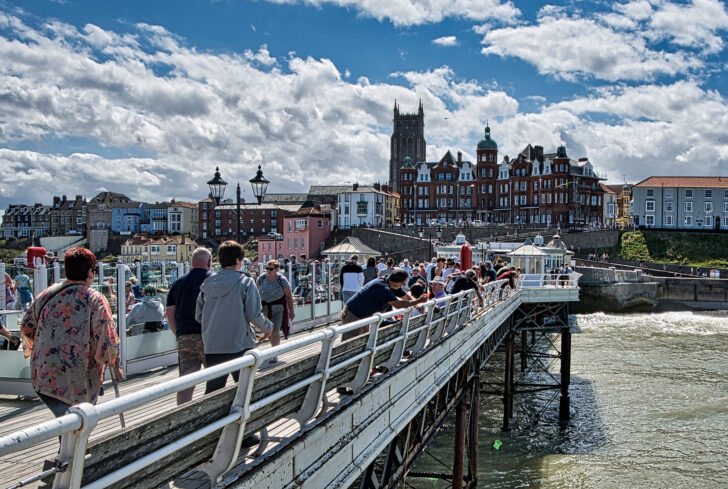
Yet this tradition also reminds us why care for the coast matters.
Research has highlighted the importance of responsible crabbing practices to protect local crab populations and reduce unnecessary harm to wildlife. Small actions such as using seawater in buckets, avoiding overcrowding and returning crabs promptly help ensure future generations can continue to enjoy this uniquely Norfolk pastime.
The remarkable Cromer coastline
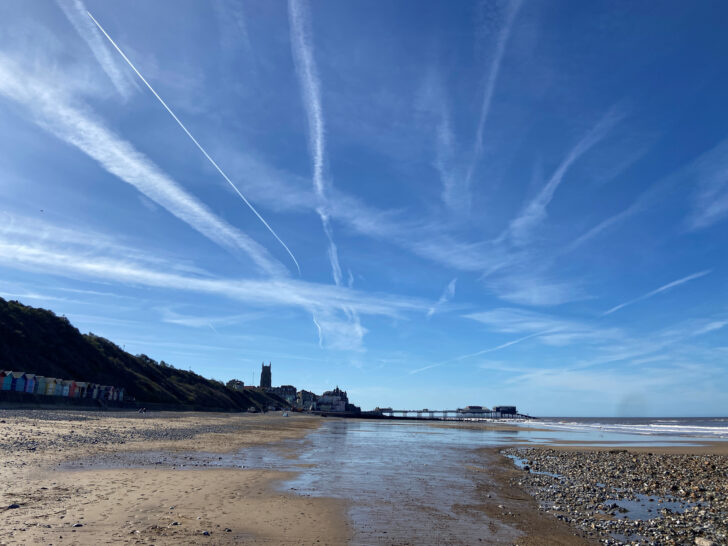
Cromer’s coastline is remarkable for many other reasons too.
The cliffs and beaches form part of Norfolk’s internationally important Deep History Coast, where fossils, ancient forests and even early human footprints have been uncovered over time.
Constant erosion and shifting tides continue to shape the landscape, revealing glimpses into prehistoric worlds beneath the sand and shingle. Few coastlines in Britain feel so alive with both natural beauty and geological history.
Our countryside and coast deserve protection
For CPRE Norfolk, places like Cromer represent exactly why our countryside and coast deserve protection.
Norfolk’s landscapes are not simply scenic backdrops; they support wildlife, sustain local livelihoods, improve wellbeing and connect communities to their heritage. The county’s coast, shaped by wind and water over thousands of years, remains one of our greatest shared assets.
As pressures from development, climate change and coastal erosion continue to grow, protecting these special places becomes ever more important. Supporting sustainable tourism, protecting marine habitats and ensuring sensitive planning decisions all play a role in safeguarding the future of the north Norfolk coast.
Why it matters
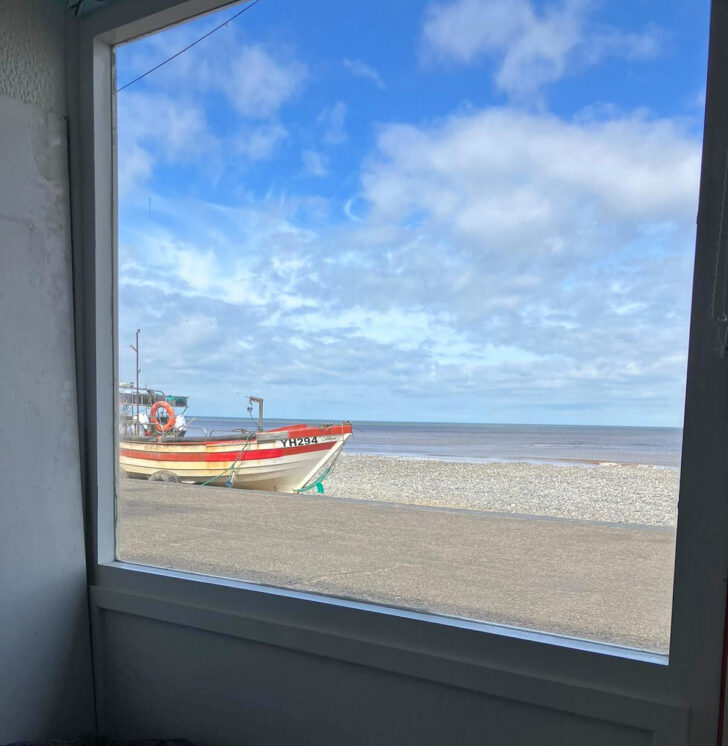
A walk along Cromer’s seafront on a bright morning makes it easy to understand why this matters.
Fishing boats still pull their catches ashore.
Families gather along the pier railings.
Gulls wheel above the cliffs while waves crash against the chalk reef below.
It is a landscape rich in memory, character and wildlife – unmistakably Norfolk, and well worth protecting for generations to come.