

 Contact us
 Visit CPRE.org
 Donate
The road to Net Zero runs through Norfolk

When we talk about reaching net zero, conversations often drift to big cities, electric cars, offshore wind farms and national policies.
But here in Norfolk, among the fields, hedgerows, rivers and reedbeds, the countryside has a powerful role to play in tackling climate change, quietly, steadily, and sometimes in unexpected ways.
Net zero might sound like a distant government goal, but it actually begins with local landscapes, local decisions, and local people.
Here’s how.
Nature is a natural carbon sink
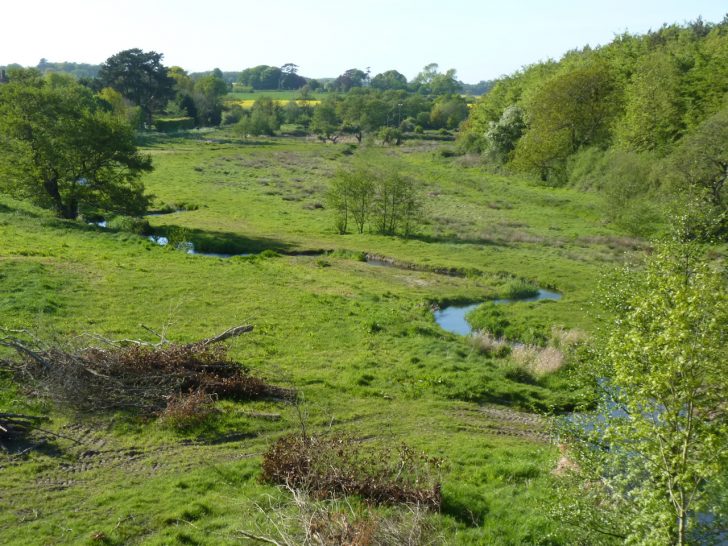
Peat soils, woodlands, marshes, and hedgerows don’t just support biodiversity, they lock away carbon. Norfolk is home to many of these carbon sinks, including:
- The Breckland heaths and forests
- The Norfolk Broads’ peat-rich soils
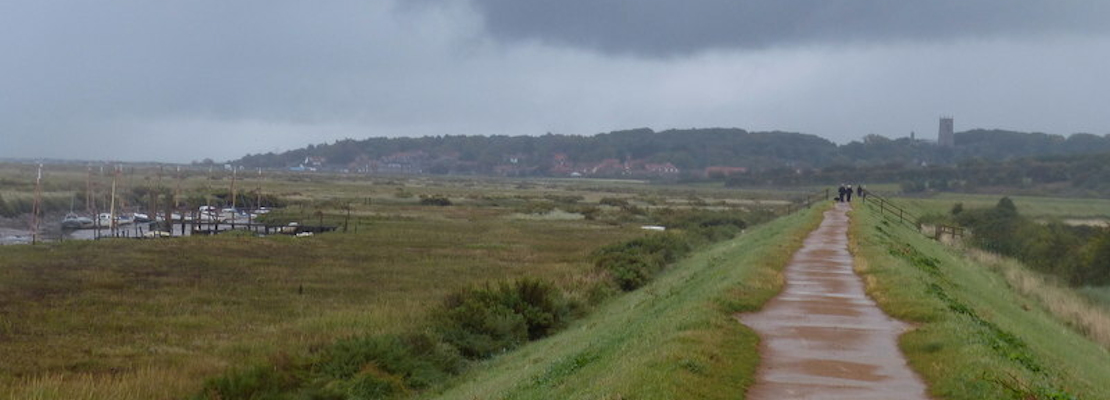
- The coastal marshes and reedbeds
- Thousands of miles of hedgerows and tree belts
Restoring and protecting these areas isn’t just about conservation, it’s a climate strategy.
At CPRE Norfolk, we champion land use choices that recognise nature as a partner, not an obstacle, in meeting net zero targets.
Farming for the future
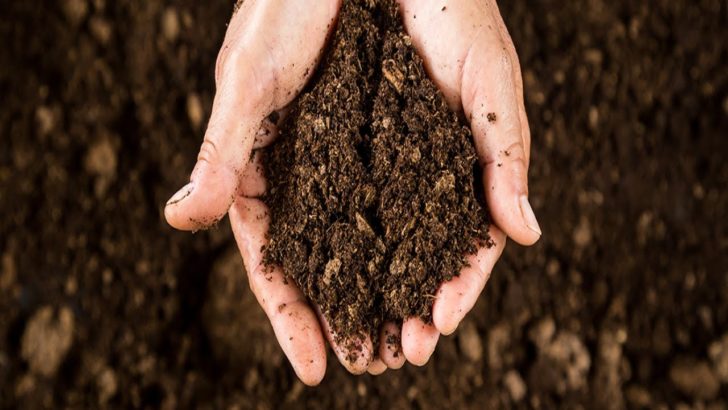
Norfolk’s farms are already adapting. Many are shifting to regenerative practices that build soil health, reduce fertiliser use, and improve biodiversity, all while keeping carbon in the ground rather than releasing it into the air.
Some of the methods gaining ground include:
- No-till or low-disturbance farming
- Cover cropping and rotations to protect the soil
- Agroforestry, where trees and crops grow together
- Creating wildlife corridors and buffer zones
These approaches can improve yields, water retention, and resilience to extreme weather, all while contributing to climate action.
Community energy & local projects
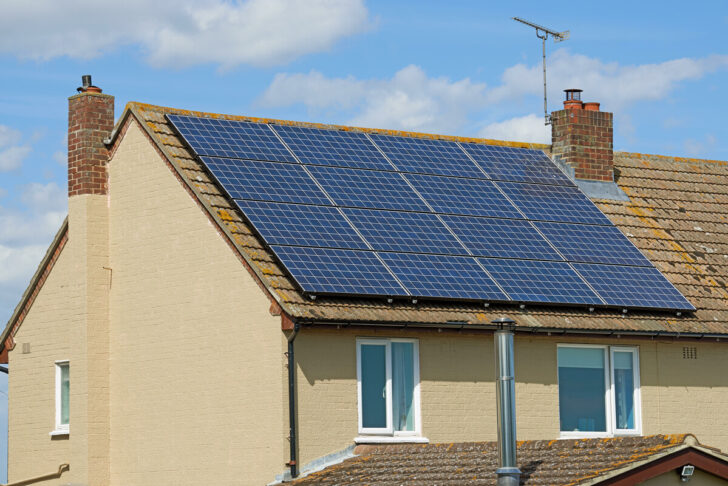
Solar panels on barn roofs, small-scale wind turbines, shared energy schemes, rural areas have the space and resourcefulness to take action locally.
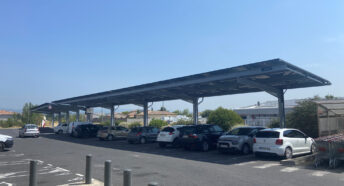
We believe in prioritising rooftop solar, not sacrificing prime farmland or natural habitats. With the right support, Norfolk’s countryside could become a quiet powerhouse of community-led clean energy.
And it’s not just about tech, local projects that restore nature, reduce waste, or teach environmental skills all contribute to a low-carbon future.
Planning that works for people and the planet
Every new road, housing estate or industrial unit makes a lasting mark. Poor planning can lead to:
- Increased car dependency
- Loss of green space and biodiversity
- More flood risk and pollution
But when we plan well, choosing locations that preserve countryside, building to high standards, and making space for nature, we build in climate resilience too.
That’s why CPRE Norfolk continues to press for planning that puts sustainability, affordability, and landscape protection at the heart of decision-making.
The countryside connects us to what matters
It’s easy to feel overwhelmed by climate change. But walking through a meadow buzzing with life, or watching mist rise over a reedbed at dawn, reminds us what’s worth protecting.
The countryside grounds us. It shows us that progress doesn’t have to mean concrete and convenience. It can mean stewardship, seasonality, and working with the land rather than against it.
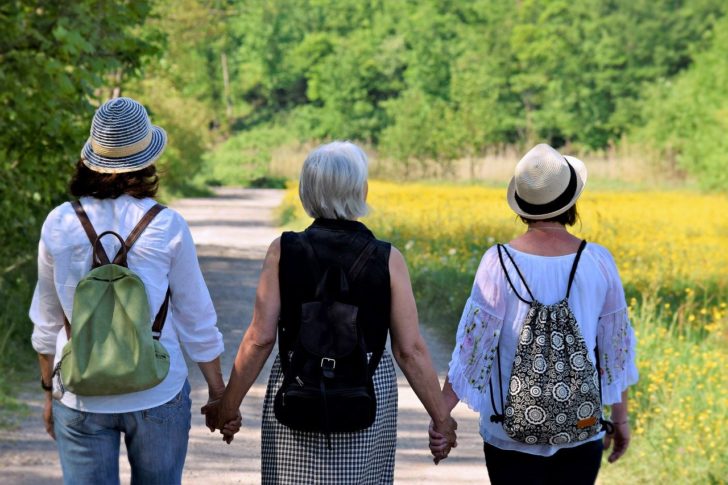
What you can do
- Support local food producers using sustainable practices
- Get involved in tree planting or hedge restoration projects
- Walk or cycle when you can, especially on local trails and greenways
- Add your voice to planning consultations and local climate action groups
- Talk about the countryside’s role in climate solutions, it’s bigger than most people think
The path to net zero starts here
From the peat beneath our boots to the trees on our skylines, Norfolk has so much to offer the climate conversation.
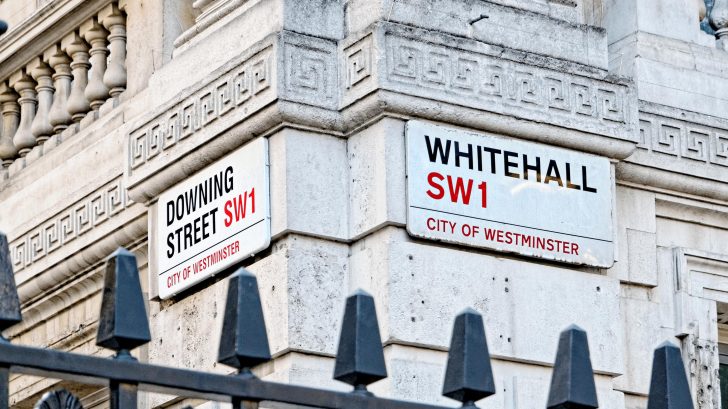
Net zero doesn’t start in Whitehall. It starts right here, with nature, community, and the choices we make together.