

 Contact us
 Visit CPRE.org
 Donate
From flood to fire – is this Norfolk’s new climate reality?

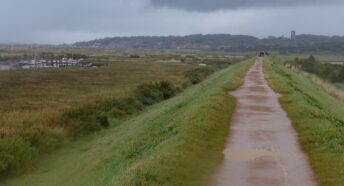
Just a few months ago, many parts of Norfolk were underwater.
Fields became lakes, roads disappeared beneath floodwater and communities were left wondering when the rain would stop.
At CPRE Norfolk’s Flood Management conference in 2024, experts, parish councils and environmental organisations came together to discuss the growing challenge of flooding and how we can build a more resilient countryside.
Now, in the height of summer, we find ourselves facing the opposite extreme.
Following record-breaking heat and exceptionally low rainfall, East Anglia is among the areas affected by the official drought conditions declared by the Environment Agency.
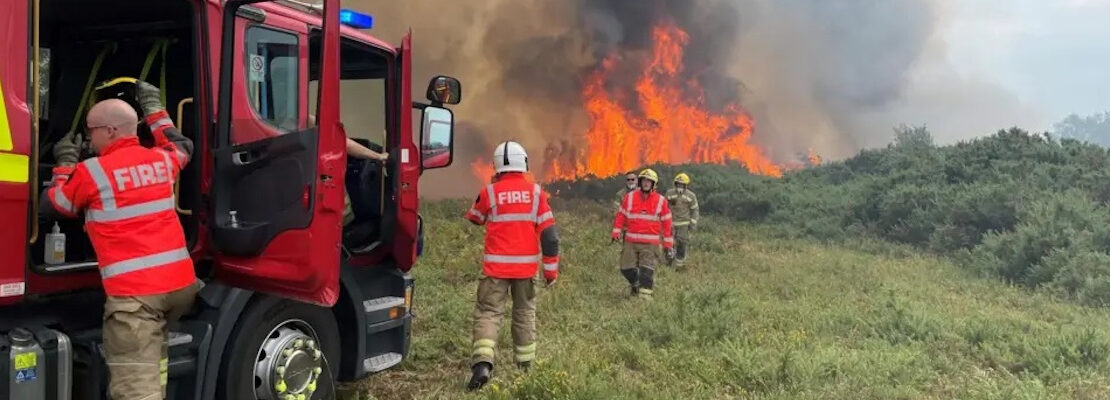
Rivers are running low, crops are under increasing pressure and wildfire warnings have become an all-too-familiar feature of the weather forecast. Hundreds of wildfires have already been recorded this year in England & Wales (over 200 between 16-28 July alone) including the devasting Dunwich heath fire, as prolonged periods of hot, dry weather leave landscapes increasingly vulnerable.

The contrast could hardly be greater.
Yet perhaps this is no longer a contrast at all.
Increasingly, scientists are warning that climate change is bringing more weather extremes rather than simply warmer weather. The challenge facing Norfolk may not be choosing between flooding or drought, but learning to live with both – often within the same year.
This changing climate presents profound questions about how we manage our countryside.
At CPRE Norfolk, we have long argued that tackling climate change and protecting the countryside should go hand in hand.
We fully support the transition to renewable energy, but we continue to question whether covering thousands of acres of productive agricultural land with industrial-scale solar developments is the right long-term solution.
As drought conditions become more frequent, the value of Norfolk’s high-quality agricultural soils will only increase. Food security cannot be separated from climate resilience. Productive farmland will be needed not only to feed a growing population, but to adapt to increasingly unpredictable growing conditions.
At the same time, hotter, drier summers increase the risk of countryside fires. While wildfires can start in many ways – from discarded cigarettes and machinery to deliberate ignition or natural causes – once they take hold they threaten crops, wildlife, homes and infrastructure alike. Any large-scale infrastructure placed within these landscapes, including solar installations, will inevitably need to be designed and managed to withstand these increasingly challenging conditions.
The irony is hard to ignore. As we expand renewable energy to help tackle climate change, we must also ensure that the infrastructure we build is itself resilient to the more extreme weather that climate change is already delivering.
This is why CPRE Norfolk continues to champion a smarter approach.
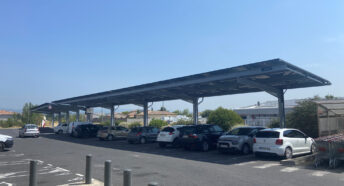
Our Getting Solar OFF the Land campaign is not an argument against solar power. It is a call to place it where it makes the greatest sense: on rooftops, warehouses, commercial buildings, car parks and previously developed land, protecting our countryside while generating the clean energy our future depends upon.
The flooding discussed at our 2024 conference and today’s drought conditions are not isolated events. Together, they tell the story of a countryside under increasing pressure.
The decisions we make today will shape Norfolk for decades to come.
Will we continue to respond to each crisis in isolation, or will we begin planning for a future where flood, drought and wildfire are no longer exceptional events but part of a changing climate?
At CPRE Norfolk, we believe the answer lies in long-term thinking, better land use and policies that recognise the countryside as one of our greatest national assets.
If you share that vision, please support our Getting Solar OFF the Land campaign and consider becoming a member.
Together, we can help ensure Norfolk remains productive, resilient and beautiful for generations to come.