

 Contact us
 Visit CPRE.org
 Donate
A Norfolk summer in purple: lavender, landscape and the hum of bees


There are some summer sights that stop you in your tracks. A wide Norfolk sky. A warm breeze moving across open fields. The low, steady hum of bees.
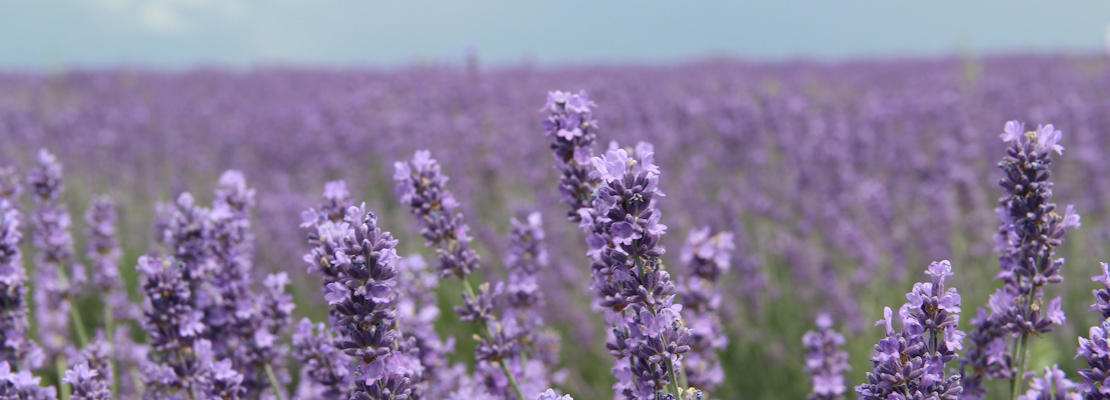
And then, suddenly, a sweep of purple – lavender in full bloom, bright against the soft-greens and golds of the countryside.
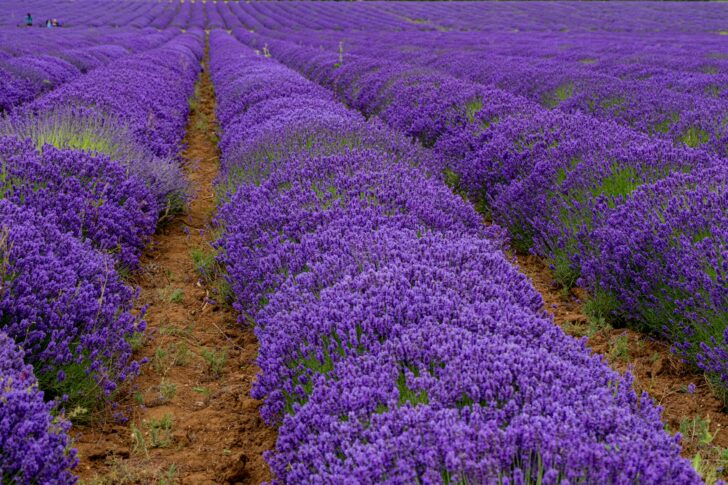
For a few weeks each summer, usually from late June into early August, Norfolk’s lavender fields become one of the country’s most recognisable seasonal scenes. They are photographed, visited, admired and enjoyed by people from near and far. But beyond their colour and fragrance, they also tell a quieter story about soil, climate, farming, wildlife and landscapes that shape local identity.
Lavender may bring to mind Provence, sunshine and Mediterranean hillsides, but it has found a very happy home here in Norfolk. Around Heacham the lavender has become part of the local character – a crop, visitor attraction, a source of products and plants, and a much-loved sign that summer has arrived.
Why lavender grows so well in Norfolk
Lavender is a plant that does not ask for rich, heavy ground. In fact, it often does best where conditions are leaner, drier and well drained.
That is one of the reasons it suits parts of Norfolk so well. Much of the county has light, sandy soil, open landscapes and relatively low rainfall compared to other parts of the UK. Lavender likes sunshine, drainage and air around its roots. Norfolk can offer all three.
This is part of what makes our countryside so interesting. What grows here is not accidental. It is shaped by geology, weather, farming history and the choices made by generations of people working with the land. Lavender is a beautiful example of a crop that belongs to a particular set of conditions – and when those conditions come together, the result can be spectacular.
Those purple fields are not just pretty. They are part of a working rural landscape.
A landscape alive with pollinators
One of the loveliest things about standing near lavender in flower is the sound.
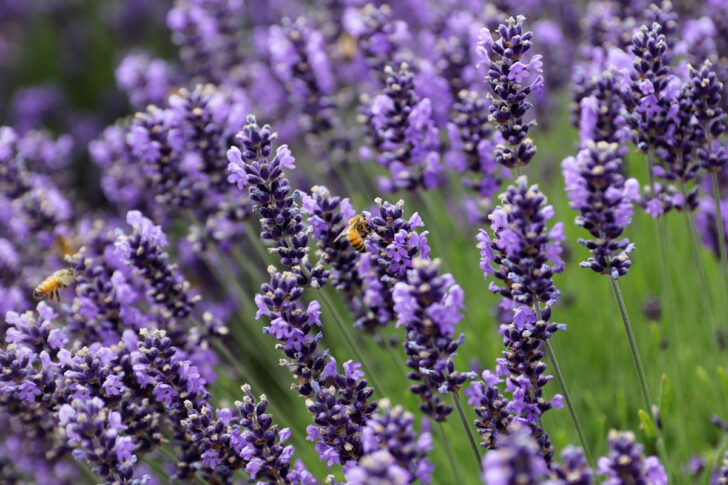
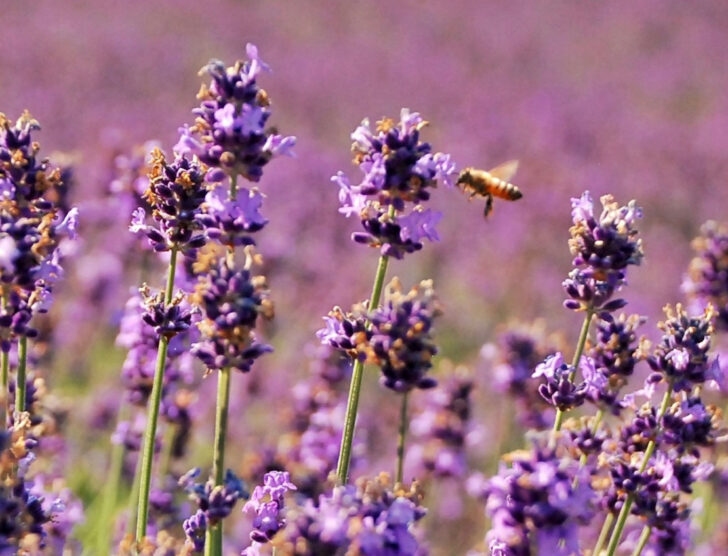
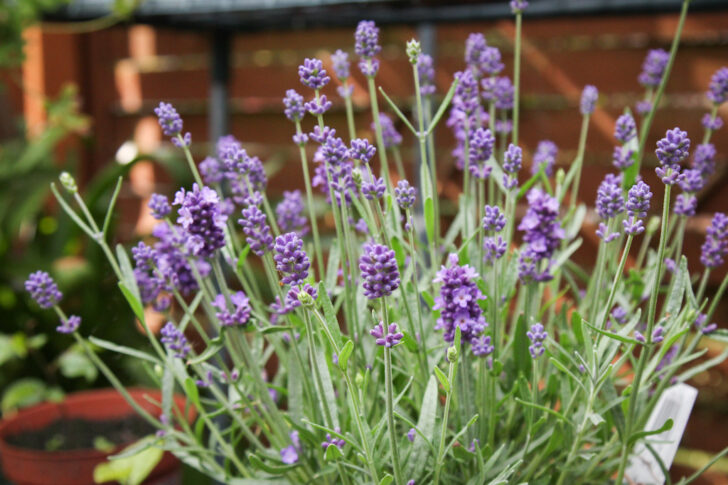
Before you even notice the individual insects, you hear the hum. Bees move from flower to flower, gathering nectar. Butterflies drift through. Other pollinating insects make use of the blooms during the warmest weeks of the year.
At a time when many pollinators are under pressure from habitat loss, changes in land use, pesticides, disease and climate change, plants such as lavender have an important role to play. In gardens, borders, allotments and community spaces, lavender can help provide summer nectar while also bringing colour, scent and structure.
You do not need a field to make a difference. A sunny pot by a door, a small garden bed, a strip of planting beside a path or a village green can all offer something valuable. One plant will not change the world on its own, but many small spaces cared for well, can help create the stepping stones for wildlife.
This is where the beauty of lavender becomes more than visual. It reminds us that countryside, gardens and village spaces are connected. Nature does not recognise neat boundaries between field, verge, garden and lane. It moves through all of them.
More than a summer photograph
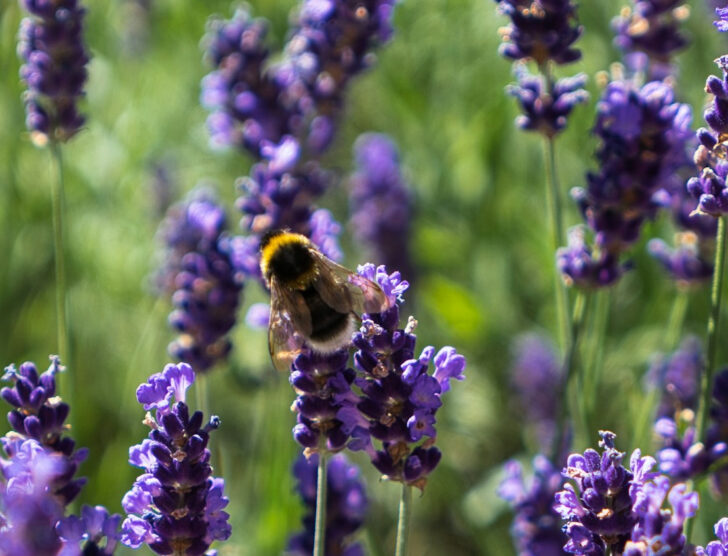
It is easy to see why people love Norfolk’s lavender fields. They are beautiful, fragrant and wonderfully photogenic. They offer a moment of colour and calm in the height of summer.
But they also remind us that rural landscapes are never just scenery.
They support local businesses. They create jobs. They attract visitors. They provide food and shelter for wildlife. They preserve skills and traditions. They contribute to our wellbeing. They help give places their identity.
The countryside we love is a living, working place – and that is exactly why it needs thoughtful protection.
When we speak up for Norfolk’s countryside, we are not trying to freeze it in time. Landscapes have always changed and will continue to change. The challenge is to make sure that the change is handled with care, respect and imagination, so that the places we pass on are rich in wildlife, beauty, character and opportunity.
Norfolk’s lavender fields are one small part of that wider story.
Growing lavender at home
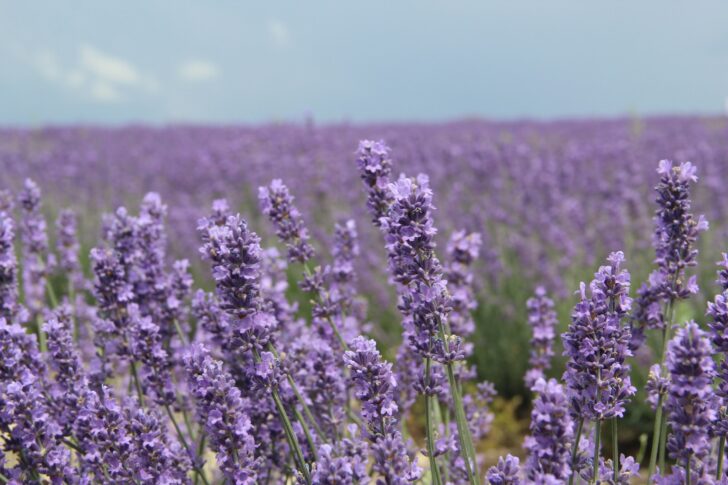
For anyone inspired by Norfolk’s summer displays, lavender is also a wonderful plant to grow at home.
It prefers a sunny, open position and well-drained soil. It does not like sitting wet, so raised beds, gravel gardens and pots can work well if drainage is good. Once established, it is generally happy in drier conditions and needs far less fuss than many garden plants.
Pruning after flowering helps keep it compact and healthy. Left alone for too long, lavender can become woody and tired, but with a little care it can provide years of colour, fragrance and nectar.
It is also a brilliant choice for anyone wanting to make a garden more wildlife-friendly without losing that sense of beauty and order. A row of lavender beside a path, a few plants by a seating area, or a mixed border buzzing with bees can bring the countryside feeling into even the smallest outdoor space.
Caring for the places that make Norfolk special
Lavender season is one of the small annual markers that helps us notice the passing of the year. Like blossom in spring, swifts in summer, blackberries in hedgerows or skeins of geese in winter, it connects us to place and season.
These moments matter.
They remind us that Norfolk’s countryside is not an abstract idea. It is something we see, smell, hear and feel. It is the view from a footpath, the field at the edge of the village, the scent of a summer crop, the hum of insects, the rhythm of farming, the quiet pleasure of recognising what belongs where.
At CPRE Norfolk, we believe these landscapes are worth cherishing and protecting.
From coast and saltmarsh to farmland, woodland, village edges, dark skies and open views, Norfolk’s countryside gives so much to the people who live here and the people who visit. Our work is about making sure it has a strong voice – not only for today, but for the generations that will inherit it.
So, this summer, if you find yourself near a lavender field, pause for a moment.
Enjoy the colour. Breathe in the scent. Listen for the bees.
And remember that the landscapes which give us these seasonal wonders do not look after themselves. They need people who notice, care and speak up for them.
If you love Norfolk’s countryside and want to help protect the places that make this county so special, please consider supporting CPRE Norfolk by becoming a member, volunteering your time or finding out more about trustee opportunities.
Together, we can help keep Norfolk beautiful, living and loved.