

 Contact us
 Visit CPRE.org
 Donate
Creating an eco-friendly home: Part 1 - Getting started

Welcome to the first in a series of posts by Chris Dady, a CPRE Norfolk trustee.
Chris charts his journey through building and retrofitting two properties and shares what he learned on his journey.
Quick links to other sections of this story can be found at the bottom of the page.
Getting started: First steps to a sustainable home
There’s already a wealth of advice on small steps to save energy, keep your home comfortable year-round, and contribute to climate action. Instead of adding to that list, I’d like to share my personal experiences in creating an eco-friendly home.
After building an eco-house from scratch in 2011 and, more recently, retrofitting a 1938 semi-detached bungalow, I’ve learned a lot about the journey to sustainability. Below, I offer some insights to help guide your own “going green” journey, whether you’re building new or upgrading an existing property.
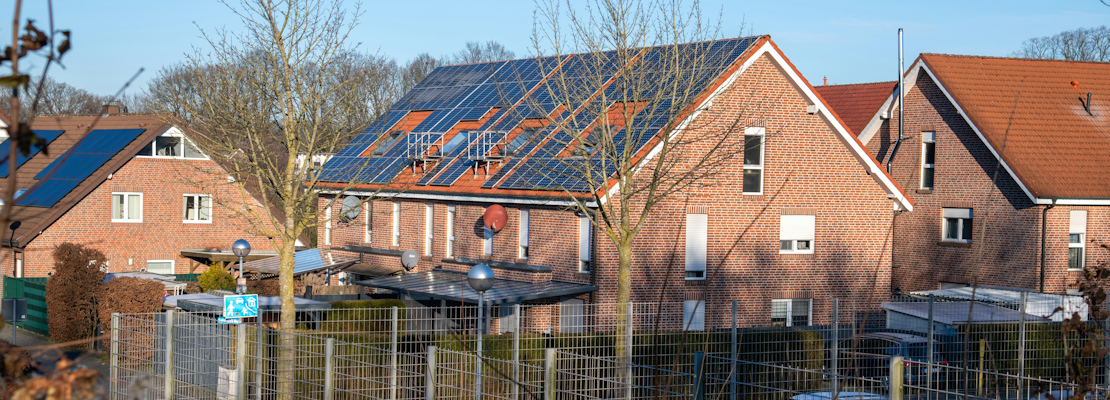
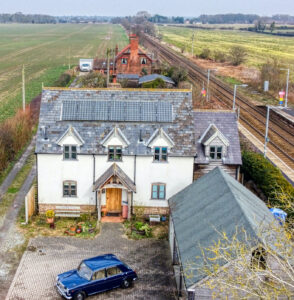 The eco-house new build.
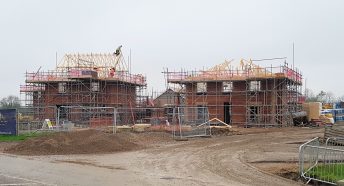
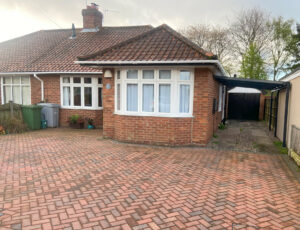 The retrofit 1938 bungalow
Setting your priorities
Going green means something different to everyone.
Here are a few priorities you might consider:
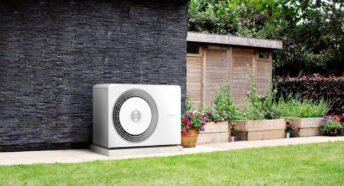
- Reducing reliance on fossil fuels. You might prioritise sustainable energy sources like solar, wind, or heat pumps to decrease your carbon footprint.
- Saving on energy costs. Energy-efficient solutions often lead to lower utility bills.
- Improving comfort. Creating a consistently comfortable home can be just as important as going green.
Each of these goals is valid, and many overlap. However, some decisions may align better with one priority over another, and it’s helpful to think about what matters most to you from the start.
Balancing budgets and benefits
Whether you’re planning a full-scale renovation or taking it one step at a time, every bit helps. With every investment in eco-friendly improvements, you’re working toward a more comfortable, resilient, future-proofed home.
For us, reducing fossil fuel use was a top priority shaping many of our decisions. But whatever your goals, it’s possible to make meaningful changes no matter your budget or timeline.
New builds vs. retrofitting
Building new or retrofitting an older home each comes with unique opportunities and challenges, but the areas for consideration are very much the same.
While new construction allows for the latest eco-friendly technologies and designs, older homes can often be transformed in impressive ways with thoughtful upgrades.
Where to start?
Location, location, location
Location is important if you really want to ‘go green’. Our self-built house was in a rural location but next to a railway station, so offered that public transport opportunity.
The older bungalow is suburban with great facilities close at hand and a very regular early / late bus service.
Assess the property condition
Top of the agenda for a retrofit is property condition. Think of it like restoring an old car – putting a new engine in an old rusty frame may not be the best investment.
Likewise with your home. Problems such as rising damp, leaks, pest damage, or rot can undermine your retrofitting efforts and add unnecessary expenses.
For older homes, an initial assessment will help you prioritize repairs and improvements, some of which can be tackled through the retrofit process.
Here’s what to look for:
Structural health
Check for structural issues and signs of dampness, leaks, decay or mould.
Insulation and airflow
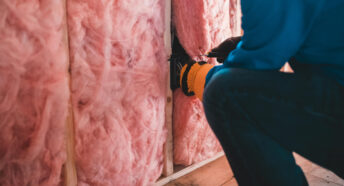
Assess loft insulation, wall cavity insulation, flooring type and potential draught sources.
Key systems
Take note of the condition of the plumbing, electrical wiring, and heating equipment, including the boiler’s type and age.
While these issues are generally less of a concern for new builds, it’s still important to future-proof.
For example, consider positioning the building to maximise opportunities for energy generation and ensure flood resistance if your area is at risk.
Set Your Goals and Budget
Once you’ve evaluated the property, think about your priorities and budget. Do you want to reduce energy costs, enhance comfort, or prepare your home for renewable energy?
Identifying these goals will make it easier to choose suitable solutions.
Research online and visit homebuilding shows for inspiration. Many suppliers offer case studies or past customer contacts which can be helpful when weighing options.
Be aware, though, that with so many systems available, selecting the right one can feel overwhelming. Take your time to find solutions that align with your needs and budget.
Explore funding and grants
Keep an eye out for grants. Financial support for retrofitting can be limited but the situation will change from time to time.
Certain lower income groups may qualify for help with insulation and at the time of writing grants are available to help households transition from fossil-fuel boilers to heat pumps.
Plan for permissions
Be aware of any planning challenges. If your home is listed or in a conservation area, some modifications may be restricted.
Changes to your property’s external appearance may require permission and some upgrades may need building regulation consent.
Be sure to check requirements with your local planning authority to avoid delays.
Resources to get started
For guidance on improving home energy efficiency, the Warmer Homes website offers free resources and energy-saving tips.
National Energy Action (NEA) charity also provides information on retrofitting and technical research.
Continue the story – quick links
Part 2: Insulation and ventilation: Creating an efficient, comfortable home
Part 3: Eco-friendly heating and energy solutions
Part 4: Greener solutions for car and travel, water conservation & gardens
Part 5: The case for retrofitting and higher building standards