

 Contact us
 Visit CPRE.org
 Donate
Creating an eco-friendly home Part 5 – The case for retrofitting

CPRE Norfolk trustee Chris Dady, continues to chart his journey through building and retrofitting two properties, sharing what he learned on his journey.
Quick links to other sections of this story can be found at the bottom of the page.
The case for retrofitting and higher building standards
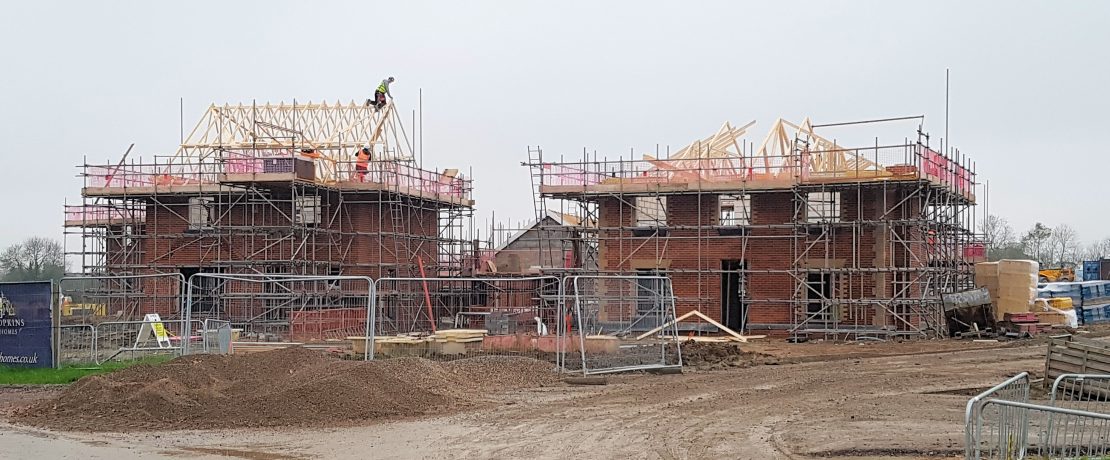
The quality of the UK’s housing stock, including most new builds, is shockingly below par. Even new build properties built by major developers often fall far below the standards needed to meet the challenges of climate change and rising energy costs.
It is a national scandal.
If we are serious about creating sustainable homes, widespread retrofitting is essential.
Yet, as outlined earlier, retrofitting is not cheap and with grant support largely limited to the current heat pump scheme, the financial burden can be daunting.
Council-led retrofitting projects have suggested that around £60,000 per property is typically required. Clearly, we urgently need stricter new-build regulations and far more generous grant programmes to address the shortcomings of existing homes.
Our journey
When it comes to retrofitting or building new, some measures benefit the planet, others benefit the pocket and not every solution is straightforward. Retrofitting can be highly disruptive, and heating costs remain a significant challenge when moving away from fossil fuels.
From our own experience, we have taken our bungalow about as far as is practical. Although we didn’t install a heat pump, it may still be the best option for many properties.
Our electric system has been designed to be as economical as possible, and emerging technologies offer further hope.
However, insulation should always be the first priority once a building’s basic structure is sound.
Before you start work
If you’re planning work on your home, proceed with caution. Be wary of prices that seem too good to be true, and avoid suppliers and contractors who cannot demonstrate a solid track record.
Always double-check claims and do your own research. The Energy Saving Trust and TrustATrader websites are useful starting points. Remember that not all information sources are impartial as many are sponsored by suppliers.
Good contractors do exist, and personal recommendations or trusted review sites can be invaluable for finding them.
Before starting any project, it’s crucial to be clear about your goals and budget, whether you are retrofitting or building from scratch. In retrofits, understanding your property’s construction and condition is vital to setting realistic expectations. Even with limited funds, making small, thoughtful improvements can be highly rewarding.
What else you can do to go green
A green lifestyle isn’t just about upgrading your home, it’s also about making conscious sustainable choices. Buying fewer imported goods, choosing local produce, recycling, repurposing, and repairing rather than replacing all help reduce your environmental impact.
And finally, don’t forget to hold political candidates to account. Challenge them on what actions they will take to support the sustainable changes we urgently need.
Final thoughts
Every step we take, however small, moves us closer to a more sustainable future. Whether you’re retrofitting an older property, building new, or simply making greener lifestyle choices, your actions matter.
With careful planning, informed decisions, and a willingness to adapt, we can all play a part in creating homes and communities that are healthier, more efficient, and better for the planet.
Good luck on your journey to a more sustainable lifestyle!
Useful links
National Energy Action (NEA) charity
TrustATrader renewable energy specialists
The Renewable Energy Hub – solar panels guide
Read the whole story – quick links
Part 1: Getting started: First steps to a sustainable home
Part 2: Insulation and ventilation: Creating an efficient, comfortable home
Part 3: Eco-friendly heating and energy solutions
Part 4: Greener solutions for car and travel, water conservation & gardens