


 Contact us
 Visit CPRE.org
 Donate
Why Mega Solar? Why now?
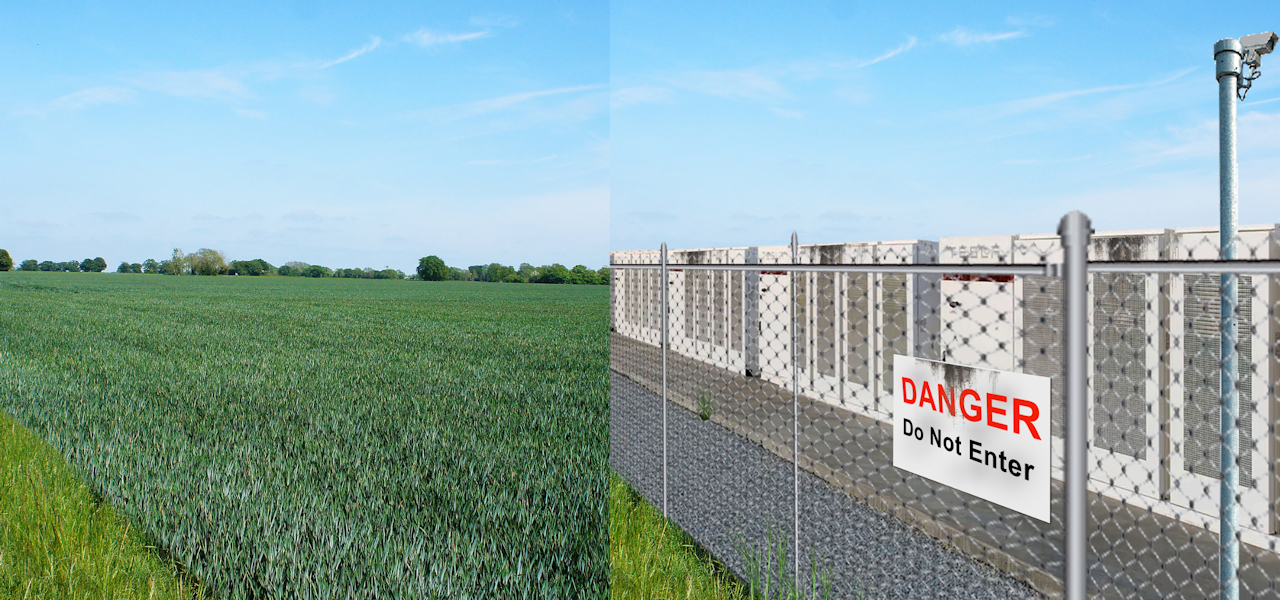
The rush for large-scale solar and what it means
The UK’s commitment to achieve Net Zero by 2050 has accelerated the demand for renewable energy.
While this goal is essential, the current approach to solar deployment is developer-led rather than strategically planned, with companies racing to secure land without a national framework to guide where solar should go.
Why developers are targeting Norfolk
-
Flat topography and open farmland make construction simple and cheap.
-
Proximity to grid connections and proposed pylon routes reduces costs.
-
Fewer planning constraints than in upland or urban counties.
However, this approach ignores key principles of sustainability and fairness:
- No national land-use strategy exists to balance energy generation with food security.
- Public consultation is limited under the NSIP process, reducing community influence.
- Cumulative impacts are not assessed, meaning overlapping projects can proceed unchecked.
The result is that Norfolk, one of England’s most productive agricultural regions and most visited rural destinations, faces a disproportionate share of this industrialisation.
CPRE Norfolk supports renewable energy, but it must be strategic, evidence-based, and community-led, not driven by speculative investment.
Keep reading
Next page –> The scale of the threat
Or jump to…
-
Welcome to the Getting Solar OFF the Land exhibition
-
Who we are – the countryside charity for Norfolk
-
What “Mega Solar” means for Norfolk
-
The scale of the threat
-
Impact on Norfolk – farming and food security
-
Impact on Norfolk – communities and homes
-
Impact on Norfolk – landscapes and tranquillity
-
Impact on Norfolk – wildlife and biodiversity
-
Impact on Norfolk – tourism & the local economy
-
Impact on Norfolk – Public Rights of Way
-
Renewables Done Well – the smarter, fairer way to achieve Net Zero
-
Community Action – Standing together for Norfolk’s countryside
-
Leading the fight – our research, policies and public engagement
-
What you can do – be part of the solution
-
What CPRE Norfolk asks for
This page is based on the exhibition board “Why Mega Solar, Why Now?” from CPRE Norfolk’s Getting Solar OFF the Land Exhibition (2025).
Sources:
CPRE National “Towards a Land-Use Strategy for England”, 2024,
Department for Energy Security and Net Zero (DESNZ), 2025 – UK Solar Roadmap,
CPRE Norfolk, 2025 – Position Statement on Solar NSIPs.

Donate to CPRE Norfolk
Donate